Dion Russell
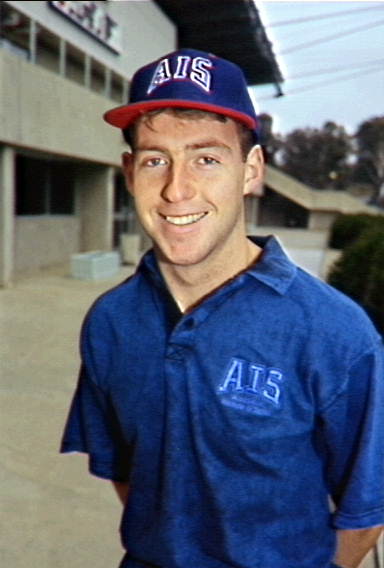
Current Role: Manager, Performance Operations, AIS.
AIS Athlete from: 1994-2000, Athletics
What attracted you to sport?
I’m originally from Melbourne, the ‘sporting capital’, so sport was always a central part of our family. School sport was a big influence, as well as being a great incentive for a day out of the classroom. My older brother was a basketball referee when the WNBL was established in the late 1980s and my sister competed at the National level in athletics (Sprints/Hurdles). I used to regularly catch the Melbourne tram into the MCG to watch AFL Games and the cricket.
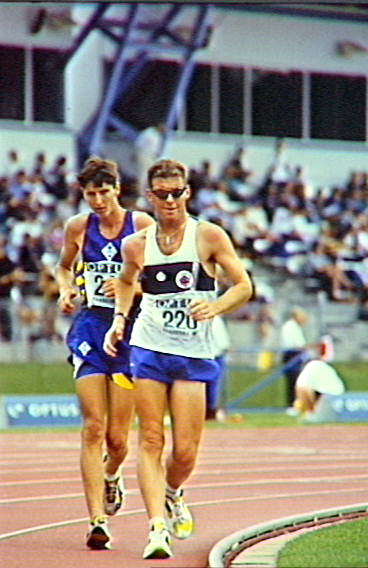
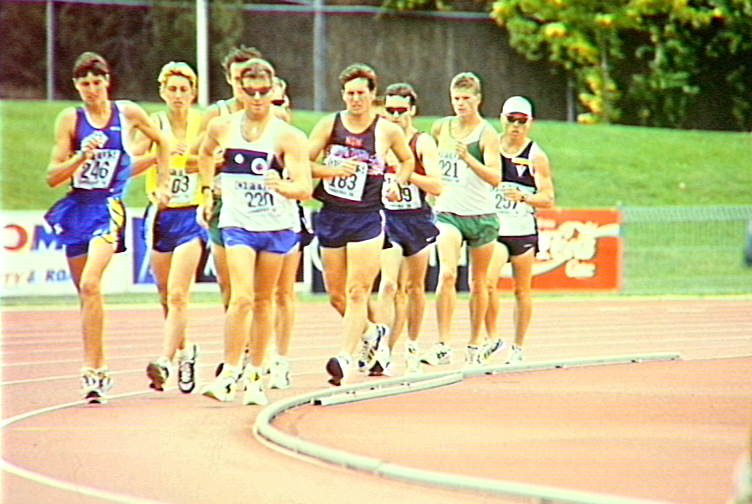
I did Little Athletics initially, but tried a lot of sports. As a junior I competed at state representative level in basketball, hockey and swimming before deciding to focus on athletics at 17 with the Doncaster Athletics Club. That’s when I qualified for my first IAAF World Junior Championships.
In my very first race walking competition I was disqualified - my father was the Chief Judge!
What are you first memories of the AIS?
My first interactions with the AIS were as part of camps with the Athletics Australia national junior program. It was inspiring and motivating to be able to train with senior AIS athletes like Kerry Saxby, Simon Baker, Andrew Jachno and Nick A’Hern, who would share advice. It provided the opportunity to immerse yourself in an elite daily training environment and improve as an athlete.
I relocated to the AIS in Canberra full-time in 1994. I packed all my belongings in a 1980 Mitsubishi Sigma, drove up the highway and moved into the Athlete Residence sharing a block of rooms with the men’s waterpolo and rowing scholarship athletes. Within 48 hours of arriving at the AIS I was then on my way to Darwin to participate in an AIS Heat Training Study aimed to progress strategies for dealing with the anticipated environmental conditions at the 1996 Atlanta Olympic Games.
If you were talking with a modern-day athlete, finish this sentence: ‘Back in my day …’
Recovery sessions involved guiding public walking tours around the AIS site, which would earn you $20 to pay for a week’s petrol. There were no dAIS grants for athletes back then.
What are your fondest memories of the AIS?
The collegiate environment. It was a cross section of athletes from different sports, but it was easy to develop a rapport because everyone had a common goal - striving to be successful. Living alongside each other. There was a lot of peer support network, we encouraged each other. I’m still in contact with many other former AIS athletes 20 years later.
How did the AIS help progress your sporting career? What were your proudest sporting achievements?
The AIS provided a unique holistic training environment. Most athletes could access a track and gym in their home environments, but the integration of sport science and sport medicine was a big point of difference. Before coming the AIS, I’d never accessed clinical services or applied sciences. Within 18 months of moving to the AIS I’d benefited from medical, physio, physiology and biomechanics expertise and support. I was able to make rapid improvements to qualify for the 1996 Atlanta Olympics.
Other highlights included: qualifying for the 1994 World Junior Championships in my first year at the AIS; being involved in the development of the original AIS cooling jacket used by Australian athletes and teams during the 1996 Games; the opportunity to undertake Altitude training in Europe in the lead up to international benchmark events; and qualifying and competing in the 2000 Sydney Olympic Games.
Describe the AIS in three words.
Unique. Evolving. Performance.
How did this time at the AIS influence your career after sport?
I really valued the holistic philosophy at the AIS. There was a genuine commitment to support the individual both on and off the sporting arena. I had the opportunity to undertake some part-time work placements on the site to develop skills outside sport.
The AIS also encouraged residential athletes to continue with their education. During my time as an AIS athlete I completed a Bachelor of Applied Science (Human Biology) at the University of Canberra. This help me find a balance during my sporting career, but also prepared me for life after sport.
Tell us about your role now and what you enjoy most about it?
The AIS Performance Operations team works with those National Sporting Organisations on using AIS facilities to maximise their high performance programs. Some sports base their Centre of Excellence development programs at the AIS campus in Canberra, while we also host shorter camp-based activity.
We also have a team that delivers the AIS European Training Centre in Italy, supporting sports with their international campaigns. This is critical in the lead up to key international events such as the Olympics and World Championships.
I value the opportunity to work directly with sports, to assist them to maximise the benefits of the AIS campus and the ETC. It continues the AIS tradition of having a positive impact on Australian sporting results.
Are you still involved in sport outside work?
I’m still involved in athletics through its National Selection Committee. Prior to this, I was a team manager for National Youth and World Junior representative athletics teams. I have previously been the Oceania delegate for IAAF Anti Doping Symposiums.
At the local grassroots level, I’ve been involved in delivering weekend Auskick clinics, volunteering at local swimming meets and more recently I’ve been the team manager for local junior football and basketball clubs.