Para Athlete Barriers Fund
The Australian Institute of Sport (AIS) mission is to lead and enable a united high performance (HP) system that supports Australian athletes/teams to achieve podium success.
Applications now closed
- Applications open: 11:00 AM (AEDT) Monday 30 March 2026
- Applications close: 2:00 PM (AEST) Monday 4th May 2026
- Assessment of applications: May 2026
- Notification of outcomes: June 2026
- Funded Activity to be completed by: 30 June 2026
Para Uplift
The Australian Government has doubled their investment to support high performance Para sport in 2025 and 2026 in an effort to reduce barriers for athletes, and the high performance sport system is implementing a range of initiatives to do so, collectively termed the Para System Uplift.
The positive impacts of most Para System Uplift initiatives will be felt over the medium and long term and are collectively designed to create a sustained positive change. Whilst these new systems are being built, there is a need to provide short-term support for the current high performance Para athletes to help them address immediate needs.
The Para Athlete Barriers Fund is a grant program to support categorised athletes to overcome individual barriers to their progression or performance in Para sports.
Grant amount
A total funding pool of $300,000 is available.
The maximum grant amount available to any individual is $4,000.
The amounts may vary between applicants and may not be the full amount applied for. Funds received by applicants will not be exempt from tax.
- View the Para Athletes Barriers Fund Guidelines[PDF • 678.36 kb]
The Australian Sports Commission is committed to making information accessible to as many people as possible.
If you have difficulty reading the grant guidelines document and would like to receive these Guidelines in an alternate format such as large print or plain text – please get in touch with us via ParaAthleteBarriers@ausport.gov.au
To be eligible to apply for the Fund, applicants must:
- be an “athlete” supported by an ASC-recognised National Sporting Organisation (NSO) or National Sporting Organisation for people with Disability (NSOD) in a Paralympic or Commonwealth Games Para-sport discipline, and
- be categorised into one of the following disciplines as per their NSO’s National Athlete Categorisation Framework, opens in a new tab1, which has been approved by the Australian Institute of Sport:
- Podium
- Podium Ready
- Podium Potential
- Developing
- Emerging
- be actively participating in training and competition within a Paralympic or Commonwealth Games Para sport discipline, under a recognised NSO or NSOD;
- have no history of anti-doping rule violations; and
- have no history of match fixing offences.
For the purposes of the Fund, the term “athlete” also extends to categorised pilots, guides, or ramp assistants who play an essential role in supporting Para athletes to train, compete, and participate in high-performance activities. These individuals may be considered eligible recipients where their involvement is necessary for the athlete’s performance or progression. Any support provided must directly address a barrier to the categorised athlete’s participation or performance. To qualify, pilots, guides, or ramp assistants must be:
- directly supporting a categorised Para athlete,
- be required to perform their role in training or competition, and
- be categorised into one of the following disciplines as per their NSO’s National Athlete Categorisation Framework, opens in a new tab1, which has been approved by the Australian Institute of Sport:
- Podium
- Podium Ready
- Podium Potential
- Developing
- Emerging
1 Athlete Categorisation is an annual process used by NSOs and NSODs with Olympic, Paralympic or Commonwealth Games pathways to identify and rank athletes according to their performance potential. If you’re unsure whether you are a categorised athlete, check your sport’s latest categorised athlete list on its website or contact your NSO or NSOD high performance program staff. You can review the full framework here: https://www.ais.gov.au/edm/national-athlete-categorisation-framework, opens in a new tab.
You are not eligible to apply if you are:
- an individual or athlete not supported by an ASC-recognised NSO or NSOD, as listed in the ASC Sports Directory, or
- an individual or athlete not categorised under their NSO’s National Athlete Categorisation Framework, which has been approved by the Australian Institute of Sport,
- not participating in a Paralympic or Commonwealth Games Para sport discipline; or
- an organisation.
For pre- or non-categorised athletes who are not eligible for this grant, but are currently competing, training, or demonstrate potential to align with a Paralympic sport pathway, a future grant opportunity will be released by Paralympics Australia (PA) within the next six weeks.
The link will be shared here and published on Paralympics Australia website once the grant is live
The grant can be used to overcome any barriers that are limiting your capacity to perform or progress in your sport.
You may only apply for the grant to offset expenses that are occurring between 4th May 2026 and 30th June 2027.
Athletes should work with their coaches and/or Athlete Wellbeing and Engagement Manager, to consider how access to the Para Athlete Barrier Fund may be beneficial to support their performance and/or progression.
Eligible expenditure items include, but are not limited to:
- Travel to domestic competition or training
- Travel to international competition or training
- Training fees
- Accessing coaching
- Costs associated with athlete classification
- Carer support
- Childcare whilst training or competing
- Performance support (e.g. physio, massage, psychology, strength and conditioning)
- Technology to support training
- Professional development opportunities
- Equipment consumables (e.g. low-cost replacement items, inner tubes, tyres, gloves)
Applicants cannot use the grant for equipment purchases, engineering or equipment maintenance. Applicants seeking support for these costs should consider applying for the Paralympics Australia Para Sport Equipment Enhancement Program., opens in a new tab
- Gary competes in Para archery and is currently categorised as Podium Ready. He regularly travels interstate to connect with his coach and wishes to increase face-to-face coaching time. Gary is applying for $2,750 to cover airfare, accommodation, and transportation for four additional visits this year. In his application, Gary provides detailed breakdown of costs associated with this expected travel. This funding would provide greater access to coaching and is expected to positively impact his performance because of the technical improvements he can make when working in person with his coach.
- Georgia competes in Para athletics and is classified as Developing. Georgia is currently completing a traineeship in mechanics. Georgia lives a distance away from her SIS/SAS gym and applies for a $1,500 grant to be able to purchase a membership to a gym that is closer to home and work. This would allow Georgia to focus on her priorities of work, training, and recovery, leading to enhanced performance outcomes.
- Nick competes in Para alpine skiing and is categorised as Podium Potential. He wishes to compete in an international event identified by his coach, which his NSO have advised will be beneficial but they can’t provide him any funding to support his attendance. Nick and his coach believe this experience will help him gain exposure to international travel and race-day preparation, areas identified as needing additional support. He is applying for $4,000 to cover flights to Italy, accommodation, and ground transport for a series of competitions. In his application, Nick provides detailed breakdown of costs associated with this expected travel. This opportunity would provide access to high-level competition and valuable experience in travel and race preparation.
- Samantha competes in Wheelchair Rugby and is categorised as a Developing level athlete. Last year she participated in the national league competition, which involved paying out-of-pocket for costs such as two interstate trips for her and her carer, petrol for her 2-hr return trip to training three times per week, and regularly replacement types and inner-tubes for her competition wheelchair. She would like to continue playing in the national league, but the costs of last season put a high financial stress on her family and she is considering whether she will be able to afford it. In her application, Samantha provides detailed breakdown of costs associated with her season of playing in the national league and the associated training. She applies for $3500 to cover these costs to allow her to continue to participate next season.
- Charlie competes as a guide in Para Alpine skiing races, alongside Sarah who has a visual impairment. Charlie doesn't have an impairment but both she and Sarah are categorised as Emerging by Snow Australia. Charie has been advised by the ski coaches that she needs to keep improving her physical strength as this is undermining her skiing performance and may hold back Sarah’s skiing competition results if she doesn’t improve. Charlie applies to the Fund for $4000 to spend on gym membership for 1 year, monthly programming sessions with a strength and conditioning coach and 2 education sessions with a dietician to help support her strength program with dietary changes.
Before applying, applicants must read and understand these guidelines and the Application Form.
Applications must be completed online via the ASC website by the closing date: https://www.sportaus.gov.au/grants_and_funding/para-athlete-barriers-fund
Applicants may submit one application up to $4,000.
To complete the application, applicants must:
- provide all requested information, including current athlete categorisation details, personal bank account details, and residential address
- address all eligibility criteria and assessment criteria;
- provide contact details of a parent/guardian if under 18 years of age.
Applicants under 18 years of age must have the agreement of a parent or guardian to apply. The parent or guardian must read and understand these guidelines, the application form and the terms and conditions in Appendix 1, opens in a new tab.
When applying, applicants may choose to respond via written and video format for certain questions:
Written responses: each answer must be 200 words or less.
Video responses:
- one question per video submission
- maximum of two minutes per response
- submitted in a format that allows an accessible link to be included in the application form.
Applicants are required to address the following four questions in their application:
- You are applying for funding to help overcome a barrier to your progression or performance. Which barrier(s) does your application relate to? (please select from the list)
- In relation to the barrier(s) identified above, what out-of-pocket costs do you currently pay yourself?
- How would you use the grant funding? Please provide details, including what the funding would be spent on and the estimated costs.
- How would this grant support your performance and/or progression in your sport and how do you plan to maintain these benefits after the funding ends?
Successful applicants will be required to complete a final report and acquittal confirming that the grant funds were used in accordance with the Fund’s terms and conditions.
The acquittal form will be emailed to grantees early 2027 and must be completed by 31 July 2027.
Some applicants may also be asked to provide evidence of grant expenditure through an audit process. Those randomly selected for audit will be contacted by the ASC and must submit supporting documentation, which may include receipts. The ASC may request evidence of expenditure for up to one year after the grant is received.
Successful applicants
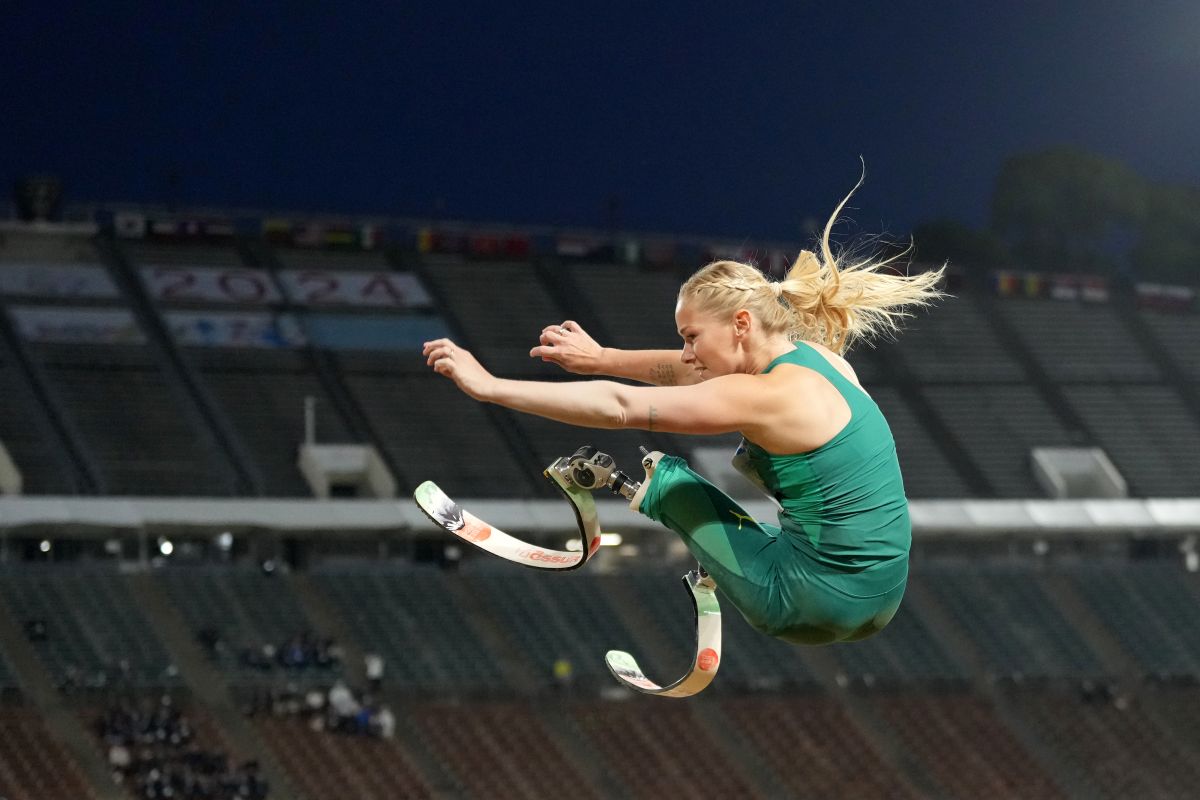
Vanessa Low, three-time Paralympic gold medallist and T61 long jump world record holder
“The biggest challenge is the affordability of technology. A single running leg costs around $25,000 — and I need two. While we work around most things and usually find a way, at the moment we are falling short. This is essential, as it is the main performance piece for my legs. Receiving this grant will ensure that the running leg is up to standard as the blades they lose performance as they get older. A new blade offers a higher performance outcome.”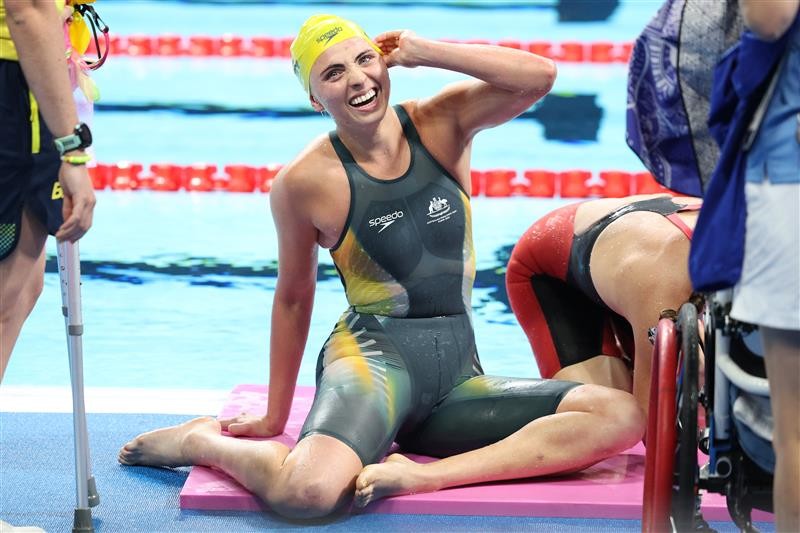
Alexa Leary, two-time gold and silver Paralympic medal winning swimmer
“Receiving this grant will have a significant and direct impact on my ability to continue progressing and performing at the highest level in Para-swimming. It would provide essential financial support to cover the ongoing costs of travel and accommodation for myself and my dedicated support worker. This role is critical due to the effects of my traumatic brain injury (TBI), which causes cognitive challenges, emotional dysregulation, and difficulty managing basic life and sport-related tasks. Without this consistent, trusted support during competition and travel, I am unable to function effectively in high-performance environments.”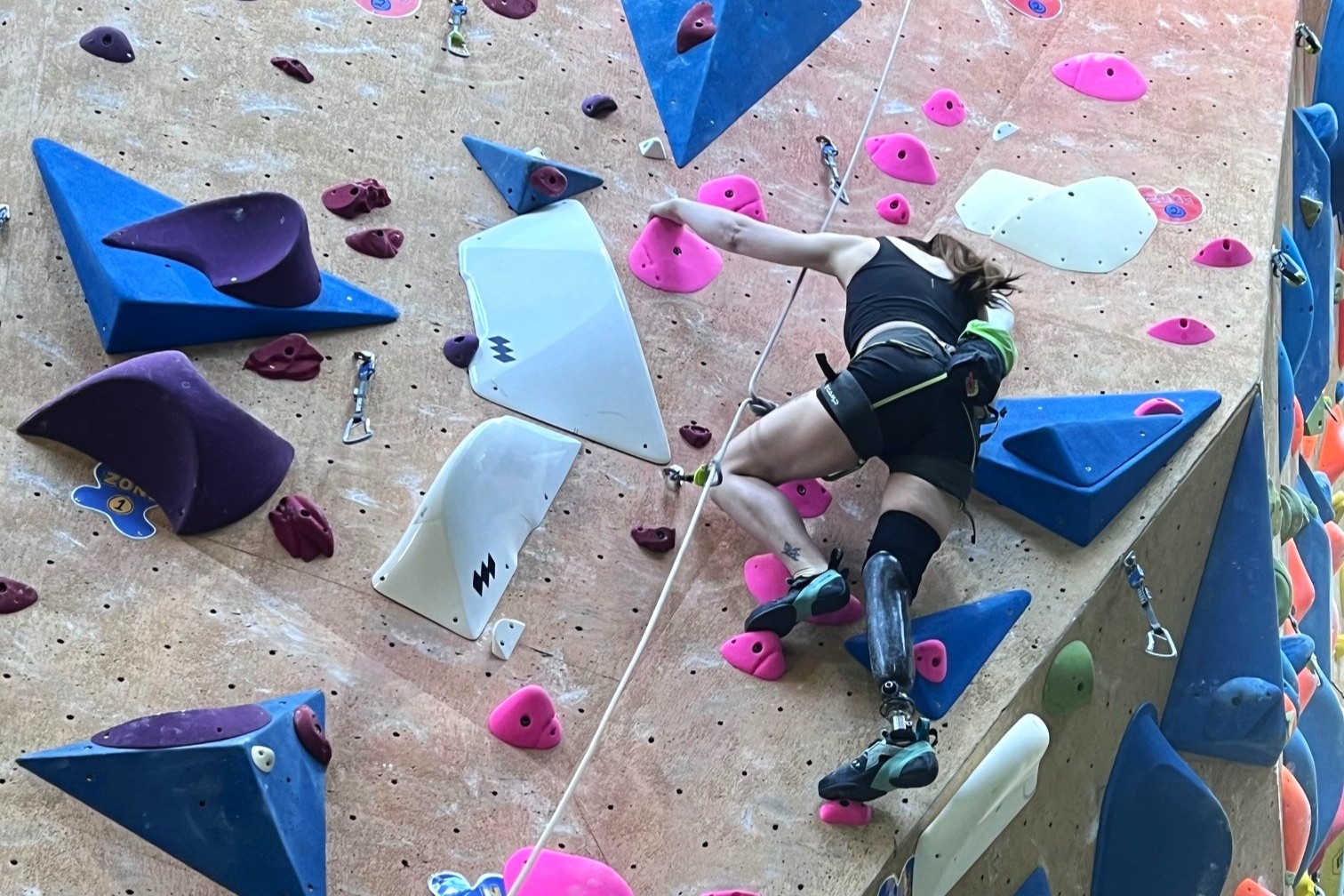
Sarah Larcombe, Para-climber pushing for Paralympic debut at LA2028
“Sport climbing and Para climbing are emerging disciplines in Australia. By receiving this grant, I would be able to at least double the number of in-person training sessions I have with my coach per week. This will lead to faster progression in both the skills-based aspect of the sport, as well as keeping my training on track.”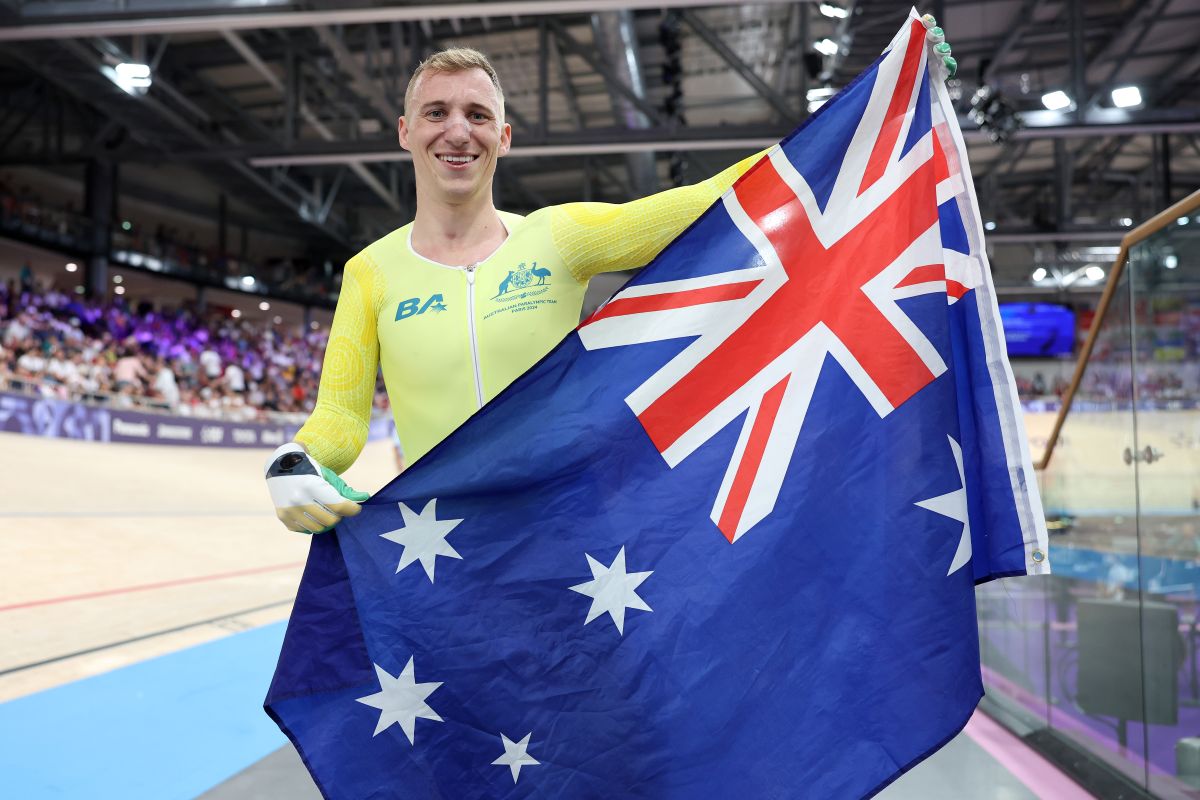
Korey Boddington, Paralympic gold and bronze medallist C4 Flying 200m world record holder
“I am limited by outdated equipment as my current road bike and cycling shoes no longer meet the demands of elite-level training and racing, restricting my performance and progression. Receiving this grant would allow me to upgrade essential equipment, significantly improving my training quality, race performance, and progression towards World Championships and Paralympic qualification.”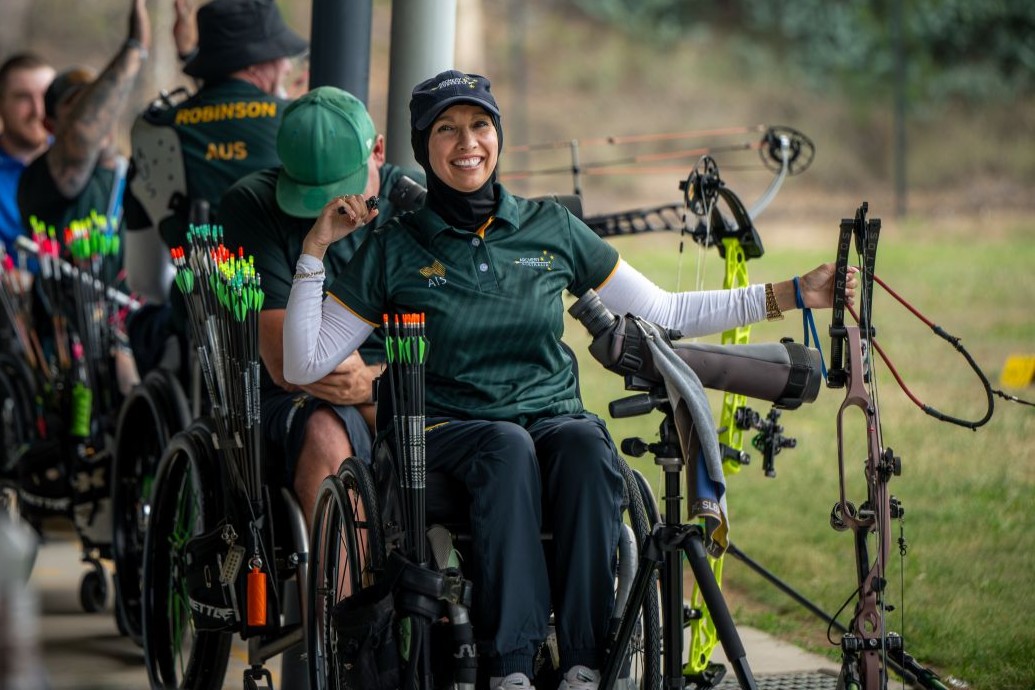
Ameera Lee, Paralympic archer
“Receiving this grant would take a big weight off my shoulders. I am training with what I have at the moment which means I am not at my optimal peak. With funds to cover gym and physio, equipment and competition costs I will be in a position to compete in my peak condition. A grant will allow me to focus on training rather than financial struggles.”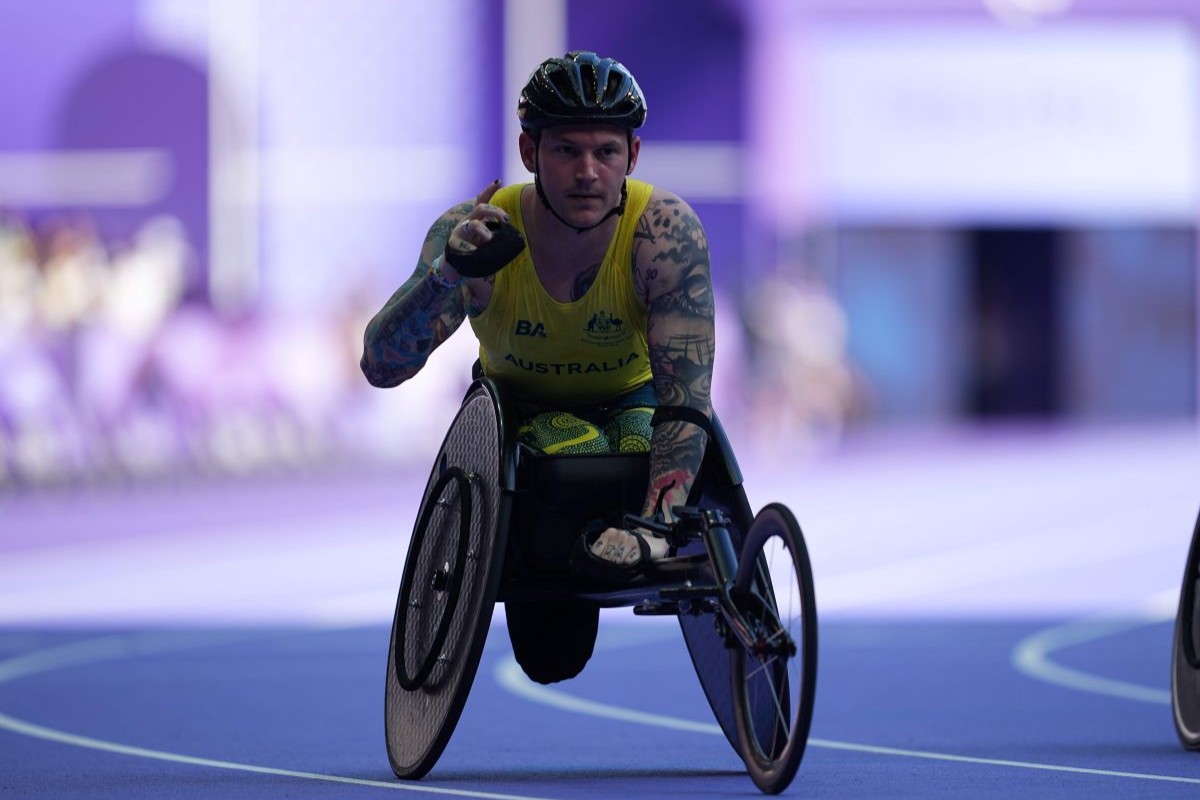
Rheed McCracken, three-time silver and three-time bronze Paralympic medal winning wheelchair racer
“New race chairs are very expensive but also extremely crucial to perform at a high level. Along with equipment such as wheels, push rims, gloves and tires. The fund would assist me in getting a new race chair which would help my overall performance. The chair I am currently using is heavy and we have had to make adjustments for it to be used at a high level. Being able to get a new chair would mean all these things get done at the start and a lighter chair overall means faster times.”
Contact us
Matter | Contact |
|---|---|
Program enquiries | |
Application enquiries | |
Technical issues | |
Payments and funding |