- ASC
- AIS
Athletes welcome new AIS guidelines on brain health
New guidelines from the Australian Institute of Sport (AIS) highlight what athletes do off the field of play can be just as important as what occurs on it for their long-term brain health and cognitive reserve.
New guidelines from the Australian Institute of Sport (AIS) highlight what athletes do off the field of play can be just as important as what occurs on it for their long-term brain health and cognitive reserve.
The AIS Promoting Lifelong Brain Health Position Statement highlights the role of everyday factors including physical activity, social connection, lifelong learning, nutrition, alcohol, mental health and cardiovascular health, alongside continued efforts to prevent and manage concussion and repeated head impacts.
Developed in partnership with the UNSW Centre for Healthy Brain Ageing (CHeBA) and 2026 Senior Australian of the Year Professor Henry Brodaty AO, University of Sydney and University of Canberra, the Position Statement builds on the AIS’s existing work to prevent and manage concussion and repeated head impacts, while broadening the focus to a range of factors that can influence brain health throughout an athlete’s life.
AIS Chief Medical Officer Dr David Hughes AM said just like with any other injury, it’s important to take a holistic approach to brain health.
“Concussion and repeated head impacts are an important part of the brain health conversation in sport, but they are not the whole story. Brain health is influenced by multiple factors across our lives,” Dr Hughes said.
“Improving understanding of the neuroscience of healthy brain ageing provides opportunities to inform decisions athletes can make to positively influence their future brain health.
“Research into cognitive reserve shows how lifelong physical, cognitive and social engagement can help support the brain’s ability to maintain cognitive function despite changes or damage.
“Athletes often have a good understanding of how to develop their aerobic or anaerobic reserve but have not considered that they can also enhance cognitive reserve.
“For athletes, this is a message of hope and agency. We cannot change every factor that may influence our future brain health, but we can make choices throughout our lives that greatly reduce the risk of poor brain health or dementia.
“The guidelines are about giving athletes the knowledge that their future brain health is not predetermined by events of the past and that future brain health can be influenced by simple lifestyle decisions, during their sporting careers and long after they finish competing.”
Professor Brodaty said the broader approach reflects growing understanding that brain health is shaped by multiple factors across life, many of which can be influenced through everyday choices.
“We are becoming more aware about how lifestyle behaviours can prevent dementia. These include physical activity, Mediterranean-style diet, blood pressure control, defeating depression and avoiding smoking and excess alcohol, avoid or treat diabetes. It’s important that elite athletes continue living a healthy lifestyle after their careers have peaked,” Professor Brodaty said.
This work builds on the AIS Concussion and Brain Health Position Statement, which provides contemporary, evidence-based concussion advice and return-to-sport guidelines for athletes, coaches, parents and health practitioners across elite, community and youth sport.
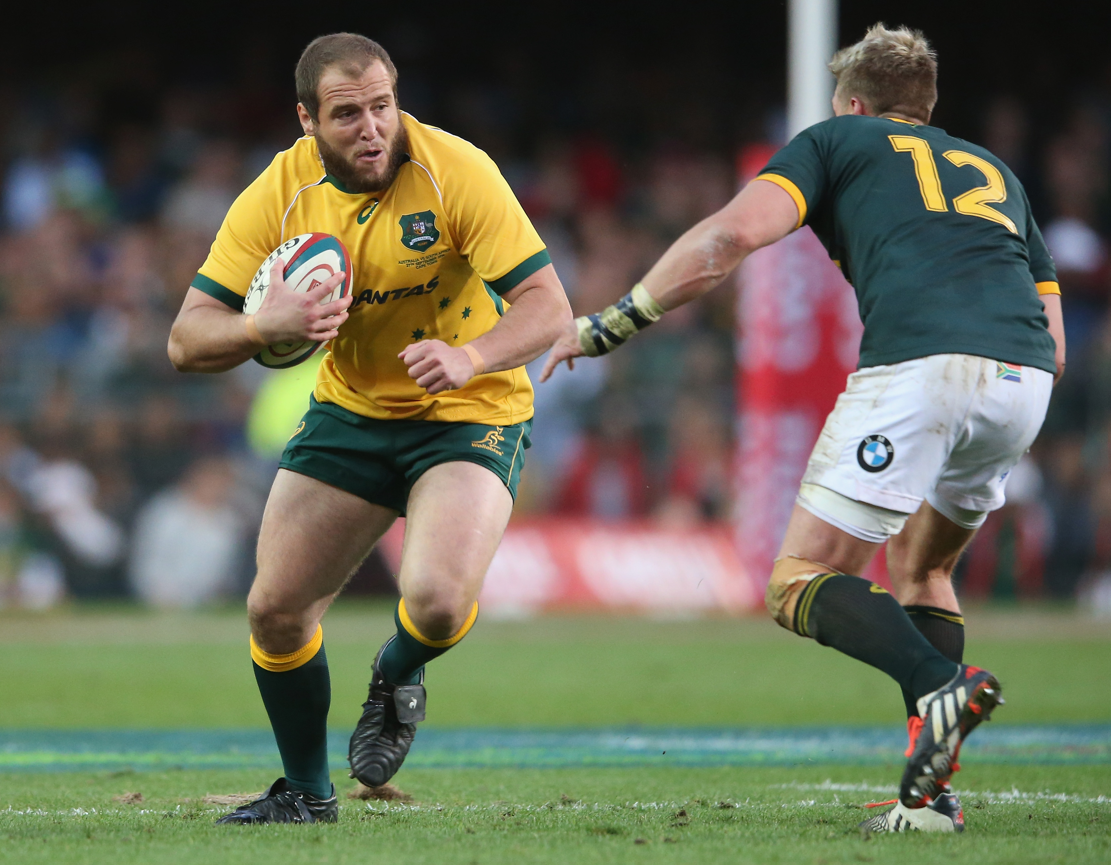
It has also been backed by a host of leading athletes including former Wallaby Ben Alexander, former Brumbies Sevens captain and Paralympic rowing champion Nikki Ayers and ex-Melbourne Storm and Maroons forward Christian Welch, who have endorsed the importance of holistic health during and after their sporting careers.
Former Wallaby prop Ben Alexander:
"Since retiring, I've certainly worried about the long-term impact rugby might have had on my brain. There's a lot of chat about what head knocks might mean for athletes and that uncertainty can feel pretty helpless.
“But what I've found helpful is focusing on what I can control. Getting good sleep, exercising, time in nature, minimising screen time, staying connected with my community and spending time with loved ones all help me feel great.
“I can't change what happened during my playing career, but I can look after myself now while science and technology continue to improve. And hopefully, one day we'll have treatments that can repair or reverse some of that damage.”
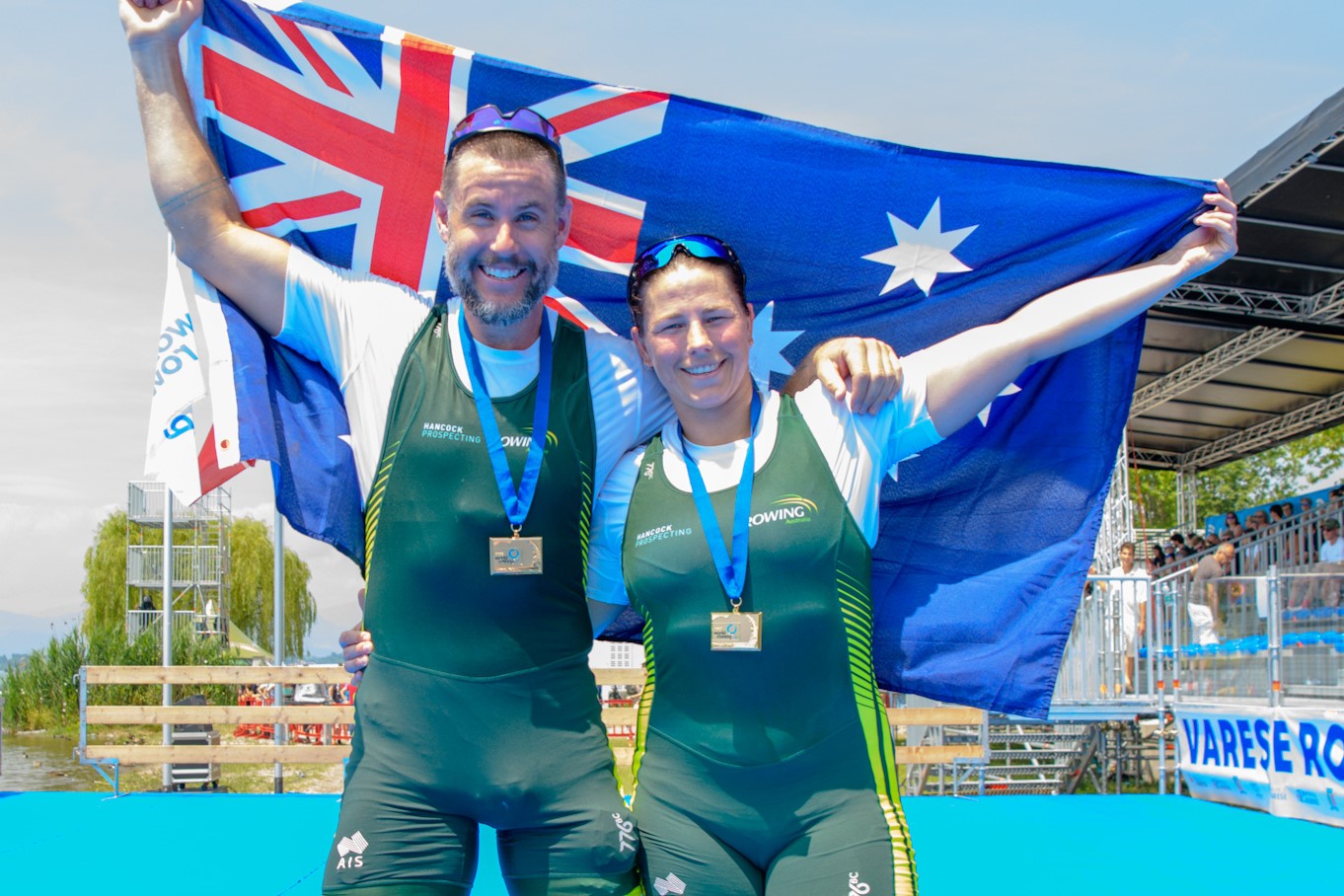
Paralympic gold medal winning rower, former ACT Women's Brumbies Rugby Sevens Captain and nurse Nikki Ayers:
“When I played rugby union, we were taught that you were only concussed if you were knocked out. We simply didn’t know better. Research is changing that, and reading the AIS Promoting Lifelong Brain Health Position Statement was a stark reminder of how vital brain health is, and how much of it is within our control.
“For me, that means focusing on social connection, getting outdoors when I’m not training and looking after my mental health. I’d encourage every athlete, coach and support person to focus on the everyday factors that promote brain health, not just concussion management.
“Educating ourselves is empowering ourselves. We are athletes, but at the end of the day we are human, and none of us are invincible, so the best time to start looking after our brains is today.”
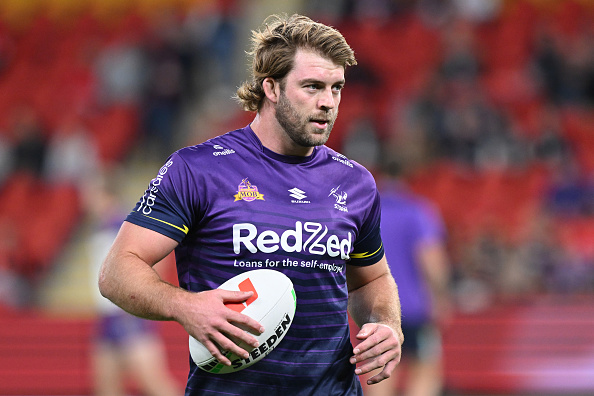
Former Melbourne Storm and Queensland forward Christian Welch:
"Throughout a sporting career we focus on what we can physically train and control – our fitness, our strength, our skills. But when it comes to brain health, players have felt a lack of control over what comes next.
"This shifts the narrative from anxiety to action. It gives agency back to athletes. Brain health isn't just something that happens to us; there are clear, evidence-based actions we can proactively take to improve our neurological health.
"It moves concussion management beyond passive rest and recovery into active, long-term care, giving control, confidence and a positive mindset back to those managing life after concussion."
All AIS Concussion and Brain Health guidelines and resources are available here: www.ausport.gov.au/concussion
Online link to open-access manuscript is here: Promoting lifelong brain health: A review of risk factors and protective opportunities for athletes - ScienceDirect, opens in a new tab