- ASC
- Play Well
New data helping sport work together to keep participation accessible
Groundbreaking research commissioned by the ASC is helping sporting organisations, governments and community clubs better understand participation costs and identify practical ways to ensure more Australians can enjoy the benefits of sport.
Groundbreaking research commissioned by the Australian Sports Commission (ASC) is helping sporting organisations, governments and community clubs better understand participation costs and identify practical ways to ensure more Australians can enjoy the benefits of sport.
The Cost of Sport study, commissioned as part of the Play Well Strategy and undertaken by researchers from Federation University, provides the most comprehensive picture yet of the expenses associated with community sport participation.
The numbers go beyond registration fees – which are reported through the ASC’s AusPlay survey – and add in associated costs including equipment, coaching and travel.
Importantly, the findings are helping to inform action already underway across the sport sector to create more opportunities for Australians to get involved in sport and physical activity.
ASC CEO Kieren Perkins OAM said the research would help drive practical solutions that keep participation within reach for more families.
“Sport plays a vital role in the lives of millions of Australians. It improves physical and mental health, creates social connections and helps build stronger communities,” Perkins said.
“This research gives us valuable evidence to guide future decision-making and ensure participation remains accessible for as many Australians as possible.”
The report found:
- The average entry-level cost (includes registration/membership fees, uniform/clothing and equipment) to play sport is $1,161 for children and $1,200 for adults.
- Entry-level participation costs for children varied widely by sport, ranging from $266 for volleyball and $271 for softball to $1,715 for gymnastics.
- Individual sports were generally more expensive than team sports, reflecting higher costs associated with coaching, equipment and facility hire.
The ASC is collaborating with state and territory governments, national sporting organisations and community partners to identify opportunities to reduce costs while maintaining safe, inclusive and quality sporting experiences.
Clubs and organisations around the country are already finding ways to ensure cost isn’t a barrier to participation.
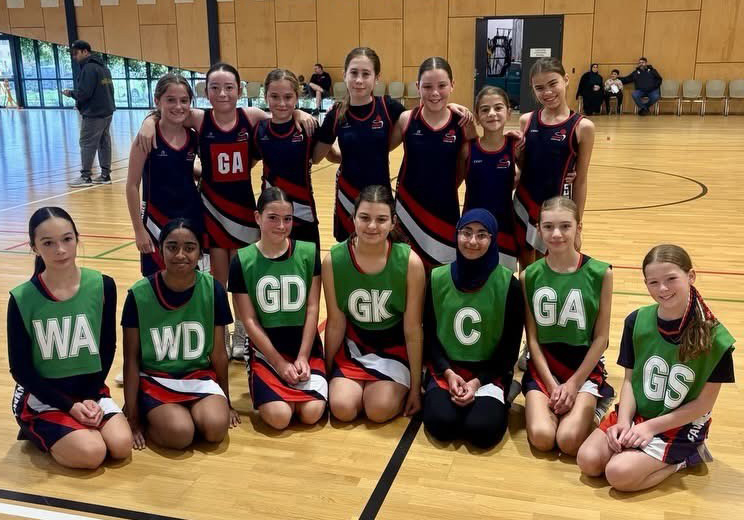
At Melbourne’s Fawkner Netball Club,, opens in a new tab which has about 300 members, flexible payment plans, volunteer discounts, grants, second-hand uniforms and equipment support help ensure everyone who wants to play can take part.
Club President Grace O’Brien said creating an environment where members feel comfortable seeking support is one of the club’s most important priorities.
“We've learnt over the years that having open and understanding conversations is incredibly important. Families can feel embarrassed asking for help, so we make it clear that support is available and encourage them to come and talk to us early,” Ms O’Brien said.
“Often, a little flexibility is all that's needed to keep a player involved.”
The ASC supports participation through a range of programs and initiatives designed to make sport more accessible and inclusive, including:
- Sporting Schools, which provides free sporting activities to around two million children each year and helps connect young Australians with community sport. The program has reached more than 20 million students since it began in 2015.
- The Local Sporting Champions and Local Para Champions programs provide financial support to coaches, officials and athletes competing at state, national and international championships. More than 12,500 recipients received funding last financial year to help cover competition fees and the costs of travel, accommodation, uniforms and sporting equipment.
- Paralympics Australia’s Para Sport Equipment Enhancement Program, funded by the ASC, helps remove barriers to participation by providing athletes with access to specialised and customised equipment needed to get involved in Para sport.
More than participation alone, Perkins said the focus should remain on the broader benefits sport delivers.
“This research is helping us understand where challenges exist, but more importantly it is helping us focus on solutions that can ensure more Australians have the opportunity to experience the benefits of sport.”
Read the report at Frontiers | Cost to play community-level sport in Australia, opens in a new tab
How clubs and organisations are helping their community with the cost of sport
Golf Australia
Golf Australia's TeeMates program, opens in a new tab is making junior golf more affordable and accessible by subsidising rounds at participating courses to just $5 for players under 18 through its partnership with Youth on Course. In the past year alone, subsidised rounds have grown by 460%, with more than 7,300 rounds played at $5 across Australia. The program has a particular focus on removing financial barriers for children in lower socio-economic and regional communities.
Wests Brisbane Junior Rugby League
Wests Brisbane, opens in a new tab reduces the cost of participation for families with multiple children through tiered registration pricing. For U8–U17 players, fees reduce by 10% per player each for two-player families and 20% each for families with three players. A three-child family effectively saves $180 across the three registrations compared with the standard rate. The club also supports Play On! vouchers, a Queensland Government program that helps families cover the cost of participation in sport and active recreation for up to $200 per child. Shorts and socks are designed to be timeless so can be used for season after season, handed down through families or donated back to the club.
Team Connect WA
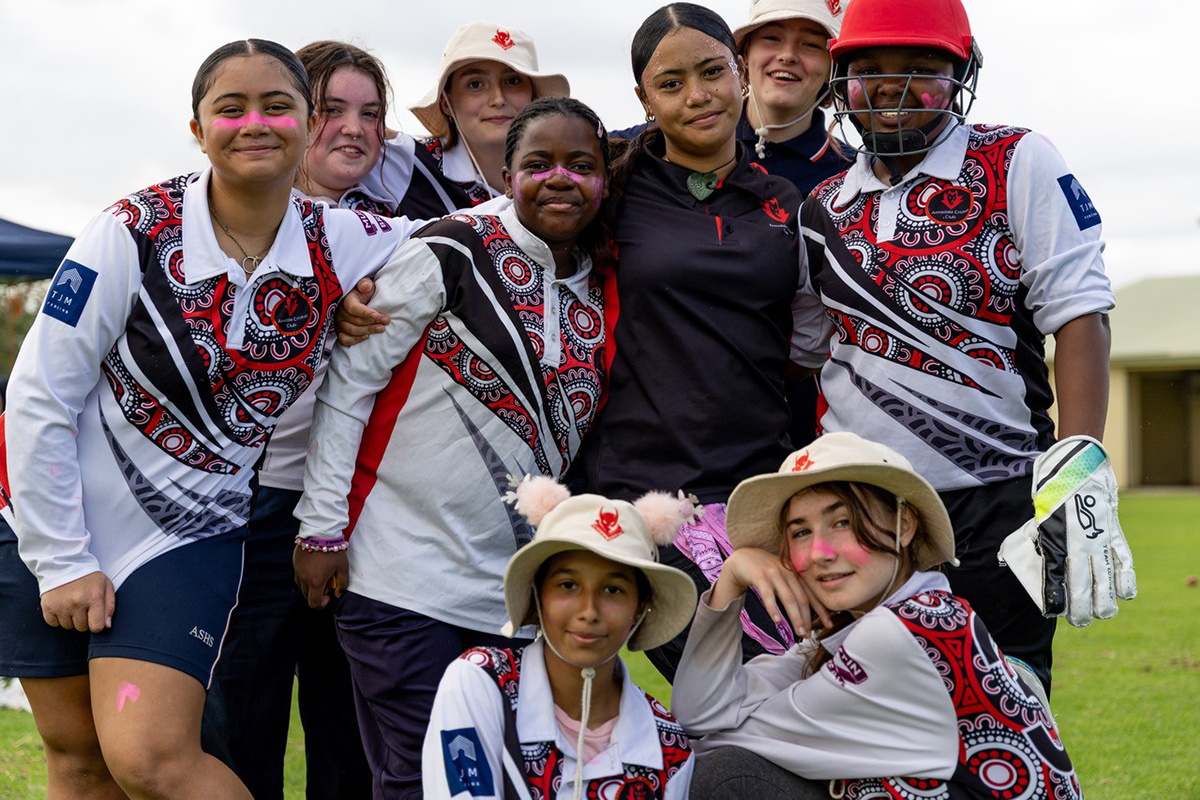
Team Connect WA, opens in a new tab removes all of the direct financial barriers to community cricket for teenage girls, with no participation fee and uniforms, equipment, transport and morning tea all provided. This enables young people who may otherwise be unable to afford organised sport to participate alongside their peers. Most participants have never played team sport before, yet 90 per cent return after their first season, while 40 per cent come from culturally and linguistically diverse backgrounds, demonstrating the program’s success in creating accessible and inclusive sporting opportunities.
Belnorth Football Club
Located in Canberra, Belnorth, opens in a new tab is committed to keeping sport affordable for families through flexible payment plans, family rebates and hardship scholarships, including support for refugee families. The club also encourages a ‘don’t waste it’ mindset by providing a boot bin on game days and running a Facebook buy–swap–sell page where members can access quality second hand sporting gear. Belnorth partners with trusted referrals from the Every Chance to Play Program, which assists eligible families with junior community sport registration fees and helps reduce financial barriers to participation. Across all age groups from under 5s to over 55s the club uses sponsorship to fund essential resources such as jerseys, lowering additional costs for players and their families.
Sutherland Shire Football Association (SSFA)
One of Australia's largest football associations with more than 20,000 players across 26 clubs, SSFA, opens in a new tab helps keep participation costs down by using a single playing strip unique to each club across all teams and age groups. This approach allows shirts to be worn for multiple seasons, handed down and reused, while reducing unnecessary uniform production and waste.