Supporting Officials in Practice
What you'll learn
Real-world application, contextualised learning and problem-solving essential elements that support and extend traditional, formal education for officials.
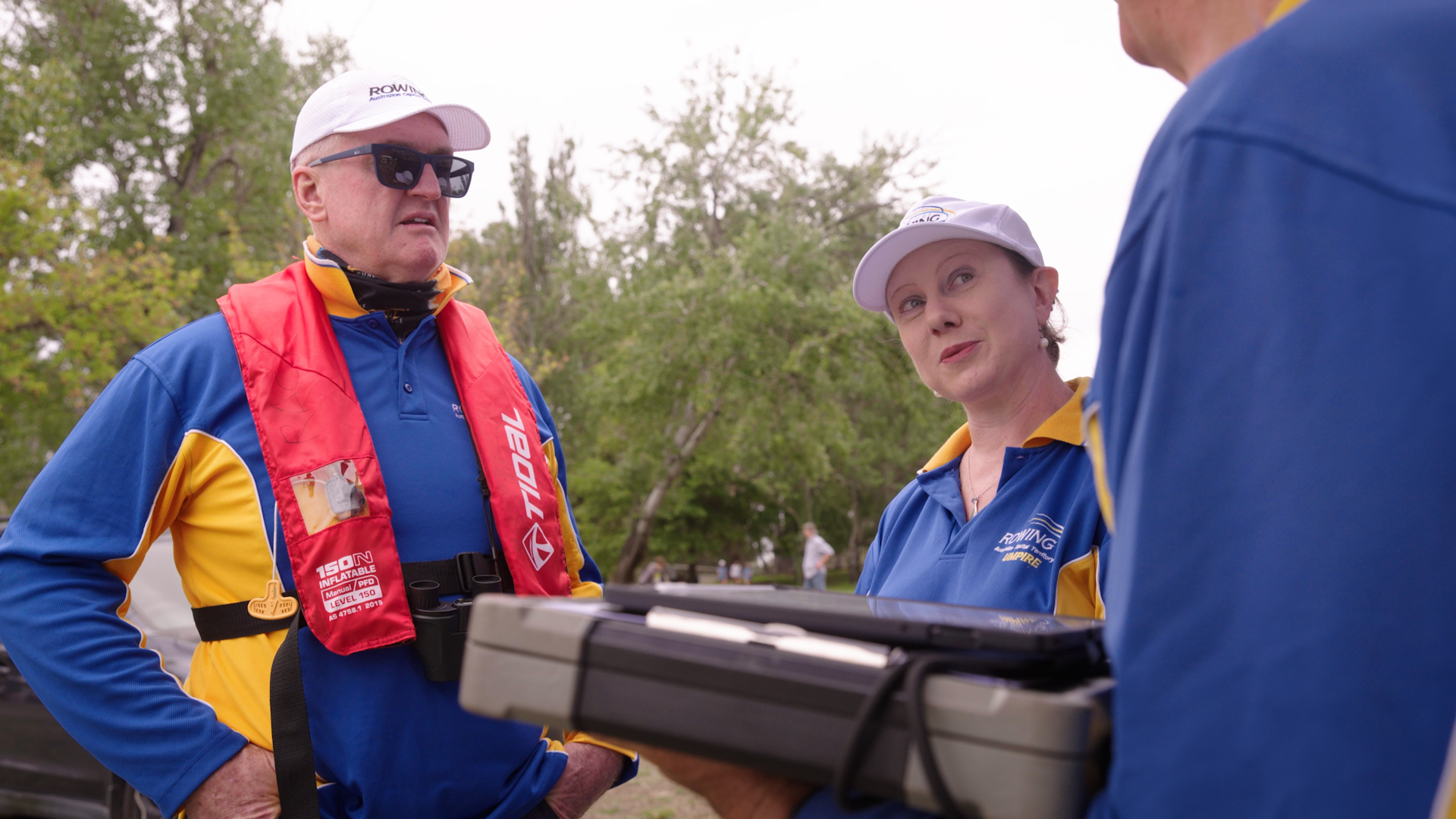
The role of the officials' coach or mentor is an integral part of the development of officials at any level and the relationship between the officials' coach or mentor and official is essential for success.
This course is designed to provide officials' coaches and mentors with the foundational knowledge, skills and tools needed for effective on-the-job support for officials in practice. This includes creating a positive environment for learning, building connection and trust, objective observation, reflective feedback and action planning.
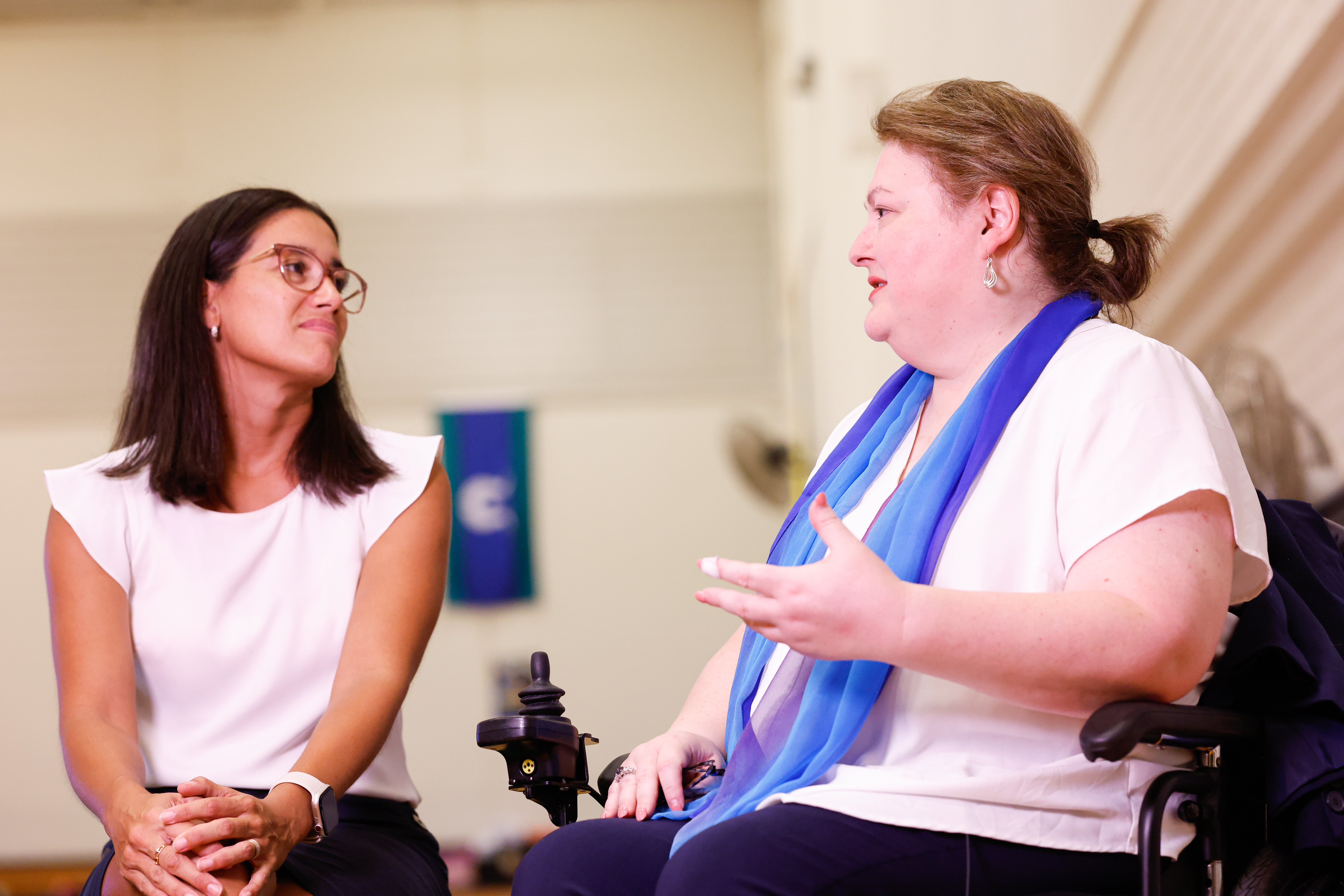
Module 1: - Assuming the role of officials' coach
Officials' coach mindset and philosophy.
- Recognise your role as an officials' coach and its importance in supporting and developing officials at all levels and formats.
- Identify how to apply the LEARNS framework when supporting officials on-the-job.
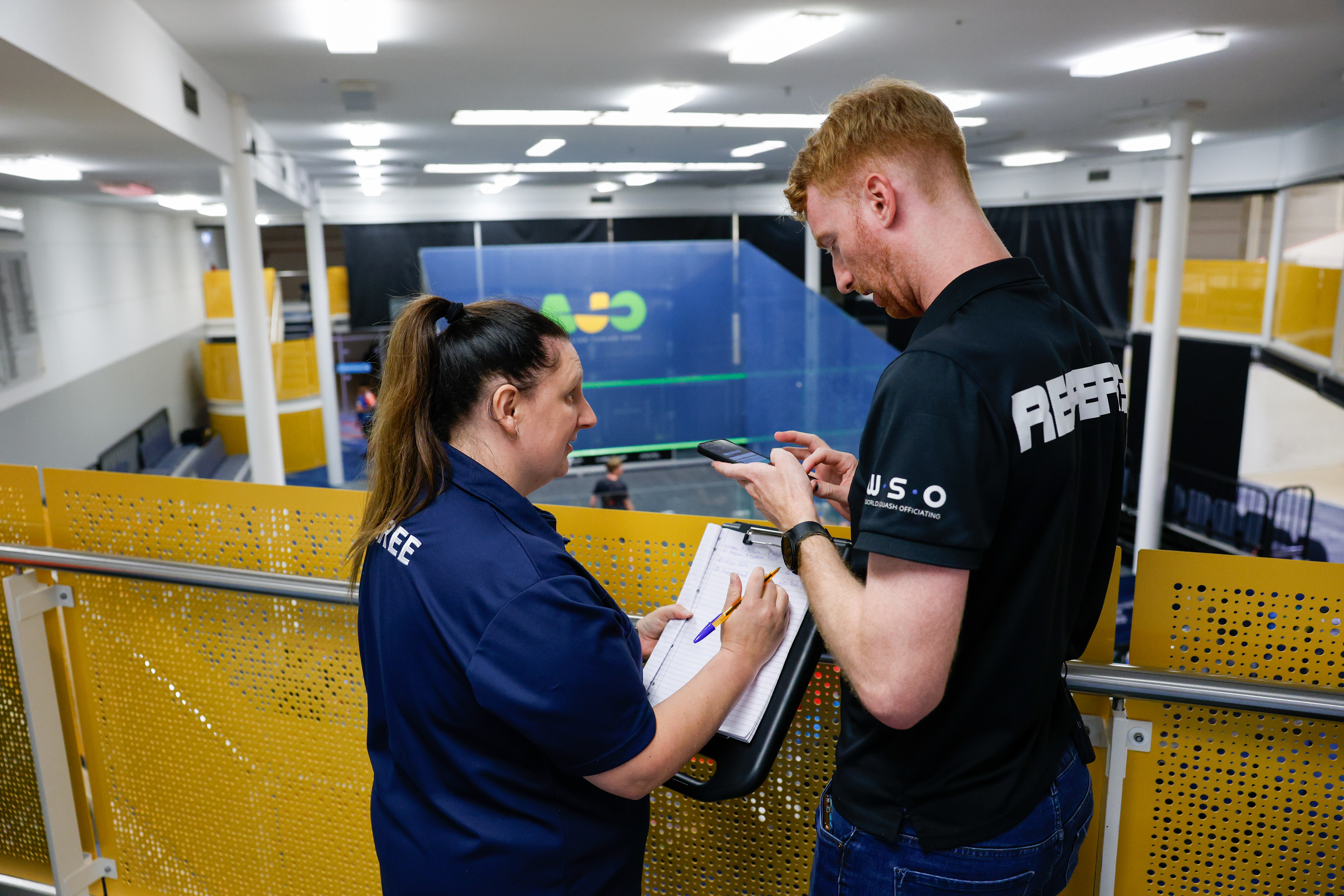
Module 2: Preparing for an observation and feedback session
Building relationships and session scoping.
- Recognise the importance of building rapport, connection and trust with an official to create a productive learning environment.
- Describe the building blocks and skills for developing effective relationships.
- Identify how to assess and scope the needs and requirements of the official.
Module 3: Mastering evidence-based observation skills
Being aware of own biases and assumptions
- Recognise what effective officiating looks like.
- Identify the importance of, and techniques for, improving objective observational skills.
- Provide evidence-based records that promote reflective feedback.
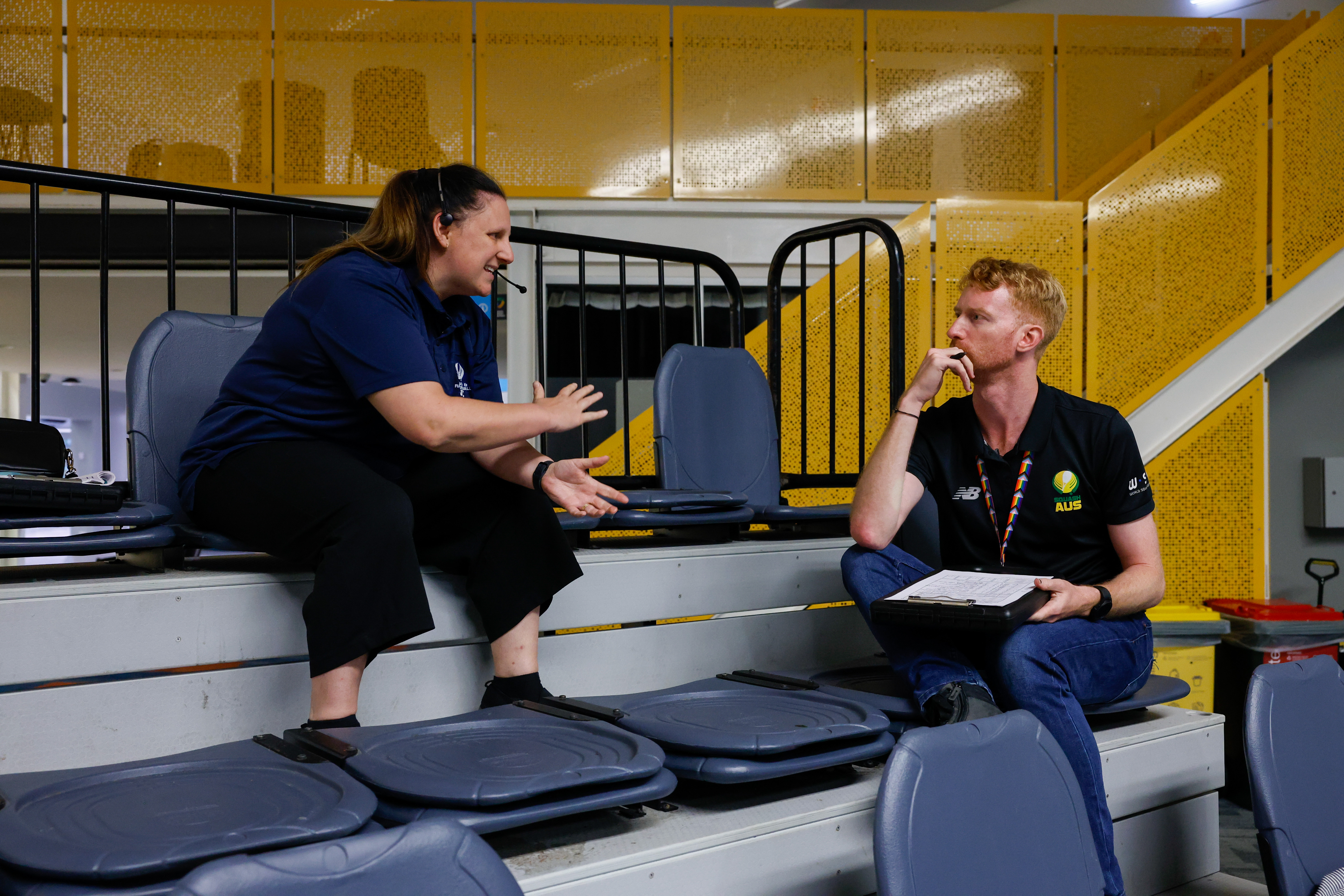
Module 4: Conducting reflective feedback conversations
Promote self-reflection and discovery.
- Conduct observations and reviews of an official’s practice in a way that promotes self-awareness and reflection.
- Describe the steps of the GRIP feedback process and examples of questions to elicit reflective responses from the official.
Module 5: Guiding the development of an action plan
Turning conversations into action.
- Conduct observations and reviews of an official's practice in a way that promotes self-awareness and reflection.
- Describe the steps of the GRIP feedback process and examples of questions to elicit reflective responses from the official.
Module 6: Continuing the mentoring relationship
Mentoring is a long game.
- Identify the skills for the ongoing mentoring of an official.
- Outline the 3-step mentoring process.
- Use the GROW model for developmental coaching conversations
- Develop your own action plan to improve your officials' coach skills.
More information
For sport-specific training and support for officials' coaches, mentors and facilitators who support and develop officials in their officiating environments, please contact your national sporting organisation.
For more information about embedding the modern approach to officiating in your sporting organisation, contact the ASC Coaching and Officiating Team at coaching_and_officiating@ausport.gov.au