About Us
Our Strategy
The build-up to the Brisbane 2032 Olympic and Paralympic Games gives us a generational opportunity to achieve sustainable success for Australian sport over the next decade and beyond.
Our goal is that the Win Well Strategy becomes the roadmap, helping to inform the individual strategies of the diverse organisations within Australia’s High Performance Sport System.
It has been co-designed by the Australian High Performance Sport System, for the System. It is a strategy that belongs to us all, informing how we work together for united outcomes.

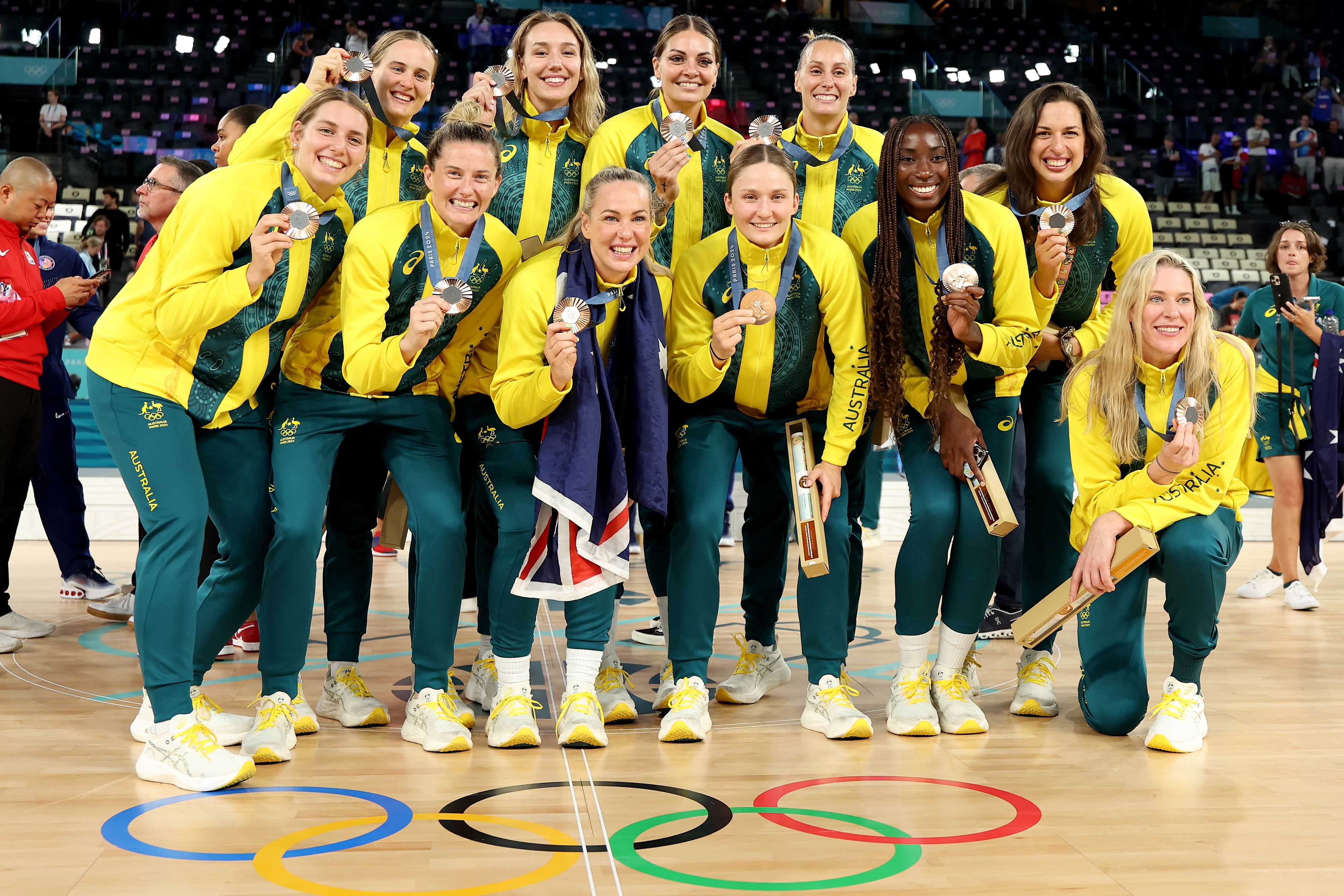
Our System
The Australian High Performance Sport System, referred to from here as the HP Sport System, supports the ambitions and delivery of Australia’s Olympic, Paralympic and Commonwealth Games sports and athletes. The HP Sport System has an enormous network of partners and we recognise their broad and valuable contribution. For the purpose of this Strategy, when we refer to the organisations within the HP Sport System it includes:
Nationally recognised organisations for Olympic, Paralympic and Commonwealth Games sports and through them, their relevant State Sporting Organisations.
The Australian Institute of Sport and eight State/Territory Institutes and Academies of Sport, representing Federal, State and Territory Governments.
The Australian Sports Commission (ASC) is the Australian Government agency responsible for supporting and investing in sport at all levels. The ASC is the backbone of Australian sport, supporting our athletes to perform at their best on the world stage, and breaking down barriers at the community level to ensure everyone has a place in sport. The role of the ASC is to increase participation, enable continued international sporting success and to provide targeted financial support to the sector. From the playground to the podium, the ASC works with the sport sector, other government partners, businesses, and the wider community to champion the role sport can play in engaging every Australian, regardless of age, race, gender, cultural background. socio-economic status or physical ability.
The Australian Institute of Sport (AIS) is the high performance arm of the ASC. Alongside running campuses in Canberra and Italy, the AIS leads Australia's high performance sport system, working in partnership with National Sporting Organisations, Games Bodies and the National Institute Network to deliver the Win Well Strategy and drive sustainable international success through world-class performance innovation, sport science, coaching and leader development, sports medicine, mental health and wellbeing, and athlete education and career support. The AIS sets the strategic direction for the high performance system, leading athlete categorisation and coach development frameworks and partnering with sports to translate evidence into sport-specific strategies that guide investment and performance priorities across Australian sport.
The Australian Olympic Committee is a non-government, not-for-profit organisation, committed to the development of youth and sport. It is the AOC's responsibility to select, send and fund Australian Teams to the Olympic Games.
Paralympics Australia helps Australians with disabilities participate in sport and compete at the Paralympic Games through partnerships with governments, business, sporting bodies and the community.
Paralympics Australia has been responsible for preparing the Australian Paralympic Summer and Winter Teams for the Paralympic Games since 1990.
An Australian Government agency dedicated to keeping sport safe, fair and inclusive by addressing integrity threats such as doping, match-fixing, and member protection.
An Australian Government agency dedicated to keeping sport safe, fair and inclusive by addressing integrity threats such as doping, match-fixing, and member protection.
The National Sports Tribunal (NST) hears and resolves national-level sporting disputes in Australia. The NST offers a range of dispute resolution options – arbitration, mediation, conciliation and case appraisal – to help national level sporting bodies and their participants resolve disputes efficiently and affordably.
Oversight of the strategy
Australia’s High Performance 2032+ Sport Strategy Leadership Group will play a critical role in overseeing and guiding the strategy’s implementation across the four horizons leading up to Brisbane 2032.
Horizon 1: 2022 - Paris 2024
Horizon 2: Post-Paris 2024 - December 2026
Horizon 3: January 2027 - December 2030
Horizon 4: January 2031 - 2032+
Horizon 2 Leadership Group:
- Matti Clements – ASC Executive General Manager of AIS Performance (Chair)
- Kieren Perkins OAM OLY - Australian Sports Commission CEO
- Matt Carroll AM, CEO, Australian Olympic Committee
- Craig Phillips AM, CEO, Commonwealth Games Australia
- Cameron Murray, CEO, Paralympics Australia
- Troy Ayres, General Manager, Queensland Academy of Sport
- Keren Faulkner, Director, South Australian Institute of Sport
- Tim Harradine, CEO, AusTriathlon
- Marne Fechner, CEO, AusCycling
- Chris O’Brien, National Head Coach, Rowing Australia
- Andrew Faichney, General Manager of High Performance, Athletics Australia
- Bernard Savage, High Performance Director, Hockey Australia
- Brodie Summers OLY, two-time Olympian
- Marissa Tapper OLY PLY, four-time Paralympian, three-time Olympian, two-time Commonwealth Games
- Lydia Williams OLY, Olympian and First Nations Representative