Action Plan and Reports
“We must be more inclusive and take action to remove the complexity and challenges facing women coaches.” Matti Clements, Executive General Manager, AIS Performance
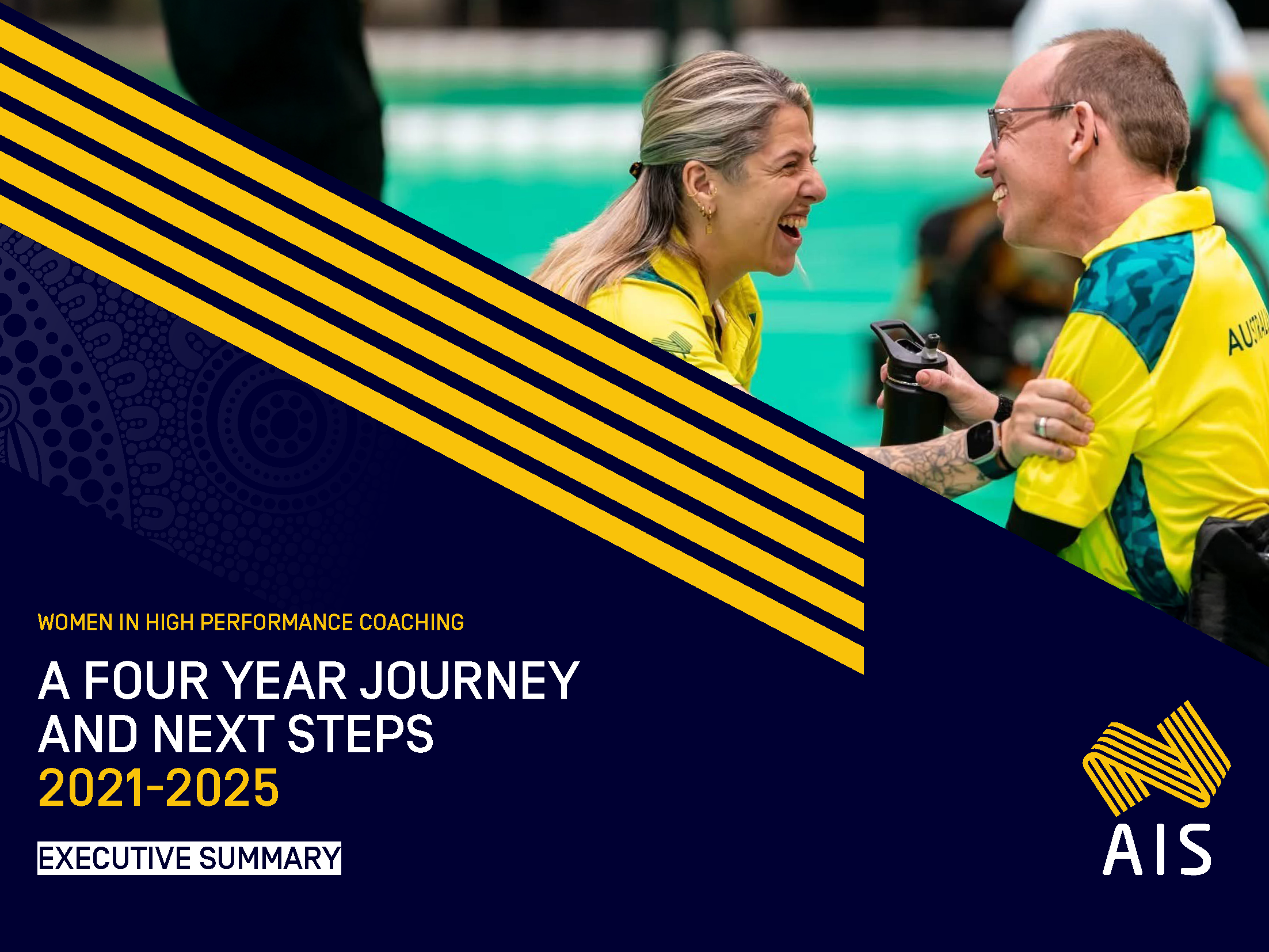
As part of a broader program to address gender equity, the Australian Institute of Sport established the Women in High Performance Coaching project (WiHPC project) in 2021 to increase women’s representation in high performance coaching.
Since 2021, the WiHPC project has taken a long-term, system-wide approach to strengthening pathways, addressing barriers and supporting sustainable change across high performance coaching.
This initiative aligns with the HP 2032+ Sport Strategy, which prioritises sustainable coaching environments and diverse talent development. The WiHPC project addresses complex challenges through a long-term, adaptive approach, focusing on progress rather than quick fixes.
The design of the WiHPC project has been shaped by this complexity-based approach and informed by the Ecological Systems Model.
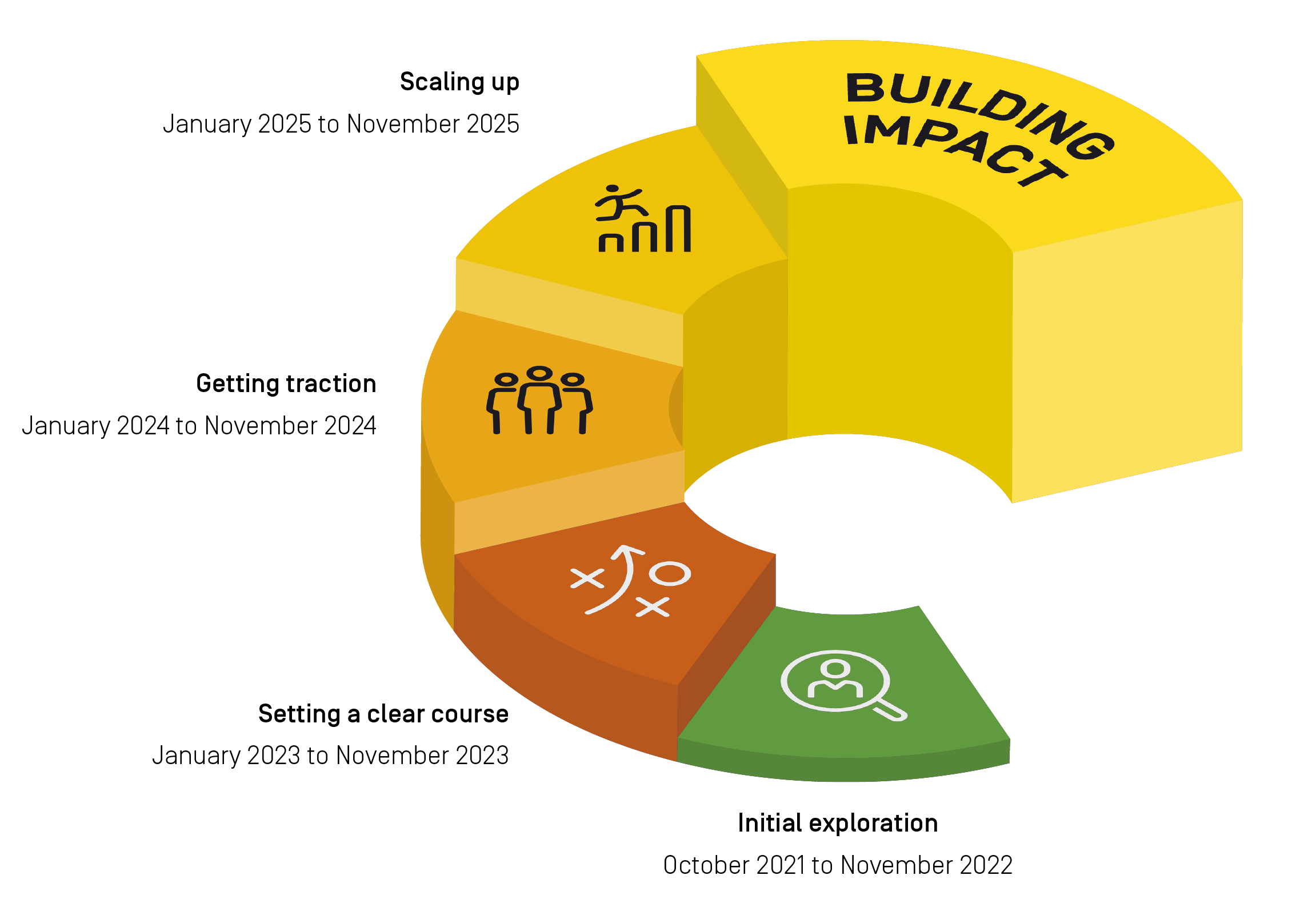
There have been four phases to the work so far:
- Initial exploration (October 2021 to November 2022)
- Setting a clear course (January 2023 to November 2023)
- Getting traction (January 2024 to November 2024)
- Scaling up (January 2025 to November 2025)
2023
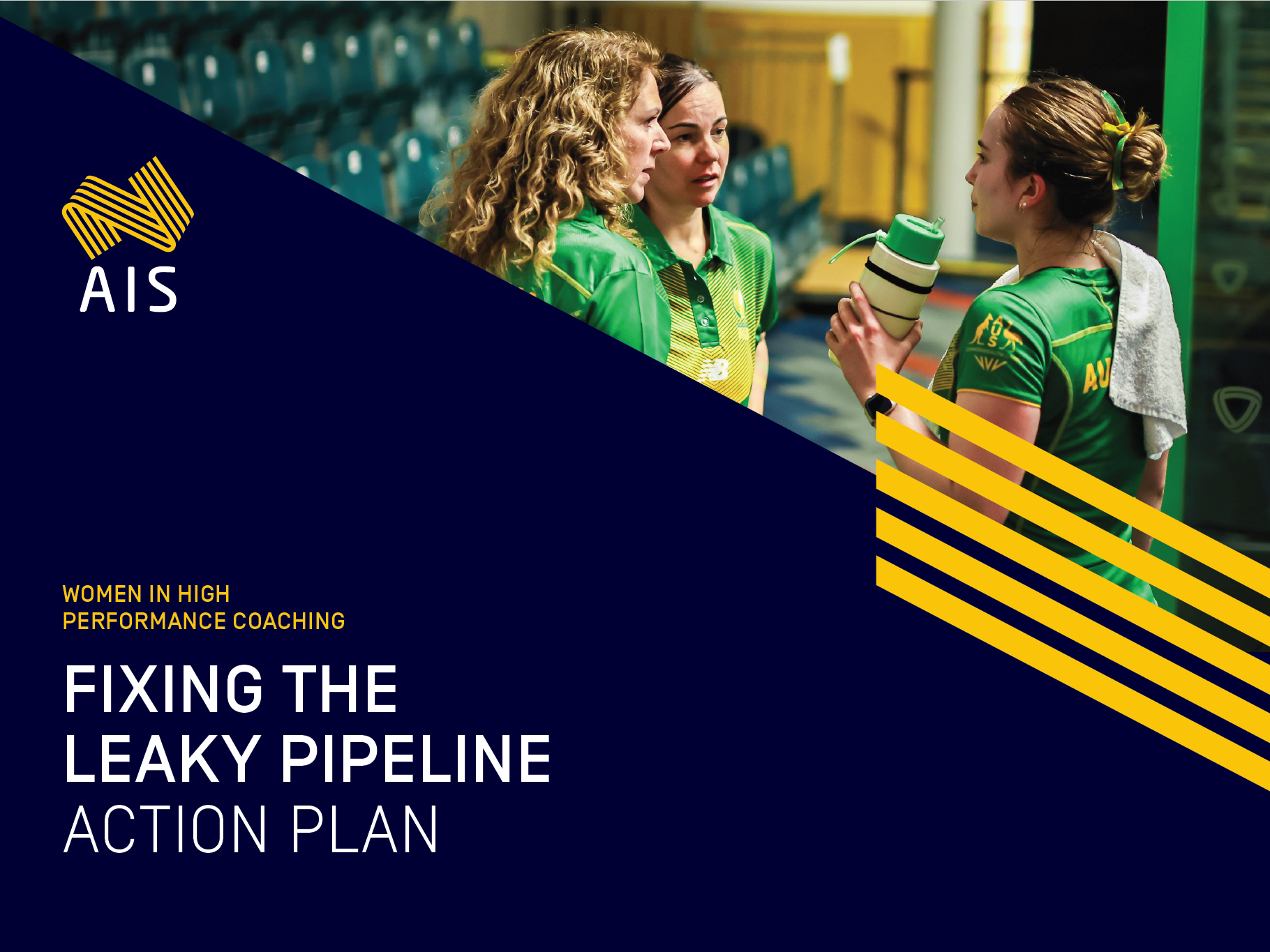
The Leaky Pipeline Action Plan was released in November 2023. It identifies the core drivers of women’s underrepresentation in high performance coaching, explains why change is needed now to reduce broader system risk, and outlines how the sector can build momentum.
The Action Plan identifies four strategic levers for change and 10 recommendations to support systemic and sustainable progress.
2026
The 2026 report brings together four years of work through the Women in High Performance Coaching (WiHPC) Project, capturing the progress made and the ongoing work needed to strengthen representation, retention and visibility in high performance coaching.
It highlights the critical factors influencing women’s participation, identifies pressure points across the coaching pathway, outlines strategies for sustainable change, and showcases AIS and Australian sport initiatives that are helping to build the next generation of elite coaches.
Together, these insights provide a clear view of the initiative’s impact and set out the priorities for the next phase of work.