Participation in sport
Discover how factors like community access, inclusivity, facilities, and programs influence sport participation in Australia
Sport is recognised as an important activity and part of Australian life. 81% of Australians surveyed believe that sport contributes to positive child development and education and supports population health and wellbeing. 73% also agreed that sport is a positive influence in their local community. 2
The Australian Government has developed various policies, including the National Sport Strategy, recognising the value of sport, and supporting the development of healthy, active, and connected communities through an inclusive and thriving sport system. 1
The Australian sport system has committed to a philosophy of ‘Playing Well’, aiming to ensure that everyone has the right—and desire—to participate in a sport system that welcomes individuals of all ages, backgrounds, genders, and abilities. Working together the sporting sector can help to ensure that sport continues to support individuals and communities to grow and enjoy the many physical, social, and mental benefits of sport. 3
Australia's Sport Participation Strategy (Play Well) has been developed to create great sporting environments and experiences, where individuals of all ages, backgrounds, genders and abilities can come together to access the benefits of sport.
Topics
Explore sport participation benefits, motivators, and barriers for different communities and population groups
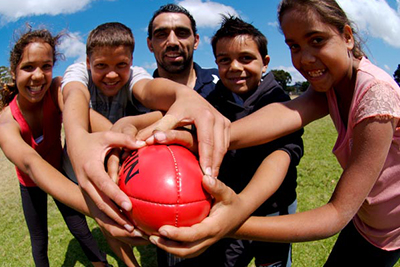
Australia's First Nations Peoples and Sport
Many Aboriginal and Torres Strait Islander people and communities have a strong connection to sport.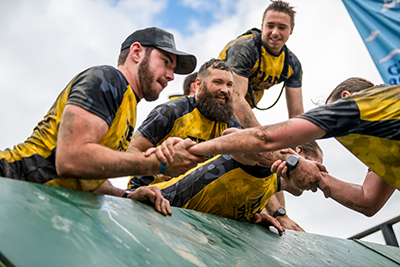
Australian Veterans and Sport
Sport has long been linked to Australia's military, offering teamwork, competition, and physical training benefits.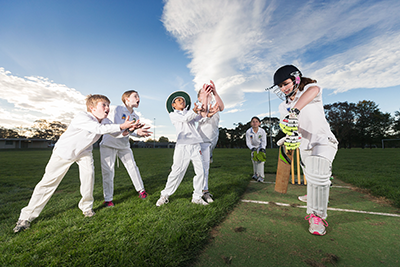
Children and Youth in Sport
The early years of a child’s life, as well as the transitions from adolescence to independent adulthood are crucial to establishing lifelong behaviours.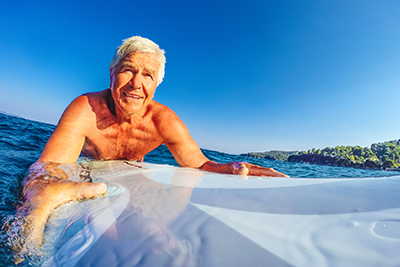
Mature-aged Sport
Sport can benefit older individuals, with long-term participation linked to enhanced and lifelong physical, mental, and social wellbeing outcomes.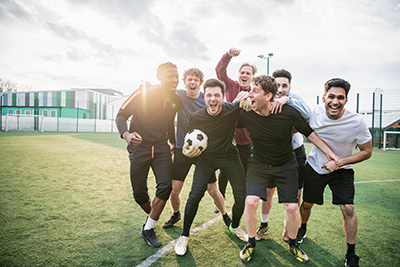
Men in Sport
Sport is an important activity for many Australian males.
Sexuality and Gender Diversity in Sport
Many LGBTIQ+ people see the benefits of sport, and want to participate, but they need safe, welcoming, and enjoyable environments.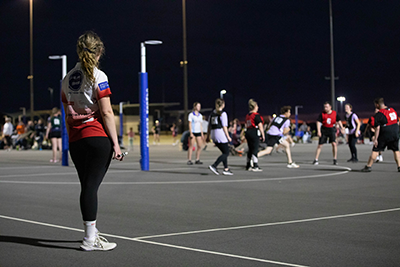
Socio-economic Status and Sport
An individual’s socio-economic status can impact on how, or if, they engage with sport or physical activity.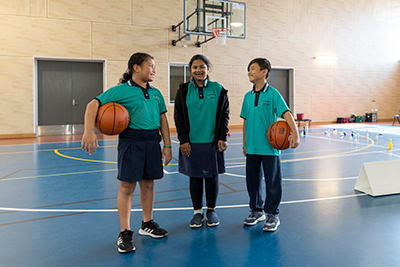
Sport and Cultural Diversity
Culturally diverse organisations bring together individuals from a wide range of backgrounds, experiences, and perspectives; benefiting all participants.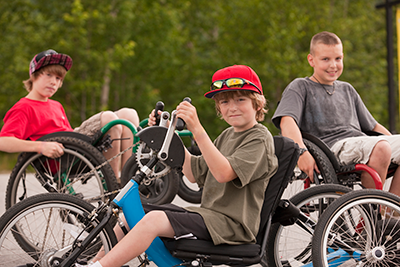
Sport and Persons with Disability
Australians of all abilities should have access to sport and physical activity opportunities.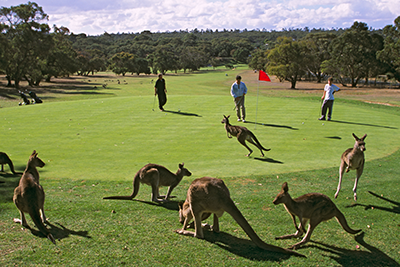
Sport in Rural and Regional Australia
Sport in rural and regional communities can help improve social cohesion and population health outcomes.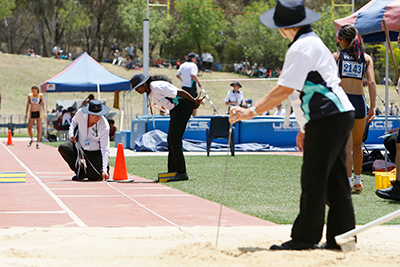
Volunteers in Sport
An estimated 2.8 million Australians volunteer in the sport and active recreation sector each year.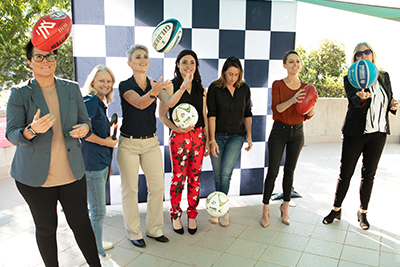
Women in Sport
Efforts to increase women's involvement in Australian sport are ongoing, aiming to overcome gender bias and ensure equal opportunities, but progress is still needed.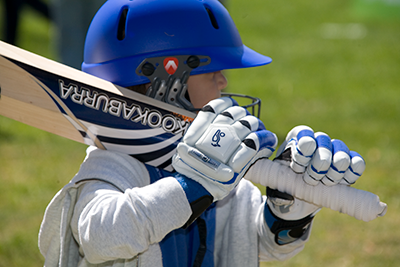
Factors Influencing Sport Participation
Research has identified a number of factors that can motivate or provide barriers to participation in sport.
REFERENCES
- National Sport Strategy, opens in a new tab, Australian Government Department of Infrastructure, Transport, Regional Development, Communications, Sport and the Arts, (accessed 17 February 2026).
- Community Perceptions Monitor Annual Report 2024-2025, ORIMA Research for the Australian Sports Commission, (August 2025).
- Play Well: Australia’s Sport Participation Strategy, Australian Sport Sector, (2023).
Last updated: 17 February 2026 Content disclaimer: See Clearinghouse for Sport disclaimer
Is this information complete? The Clearinghouse for Sport is a sector-wide knowledge sharing initiative, and as such your contributions are encouraged and appreciated. If you would like to suggest a resource, submit a publication, or provide feedback on this topic, please contact us.