- ASC
- AIS
- Win Well
Wellbeing survey results show progress and need for ongoing care in high performance sport
New data looking into wellbeing in high performance sport has reinforced Australia’s commitment to creating the exceptional environments needed for athletes and coaches to win well in both sport and life.
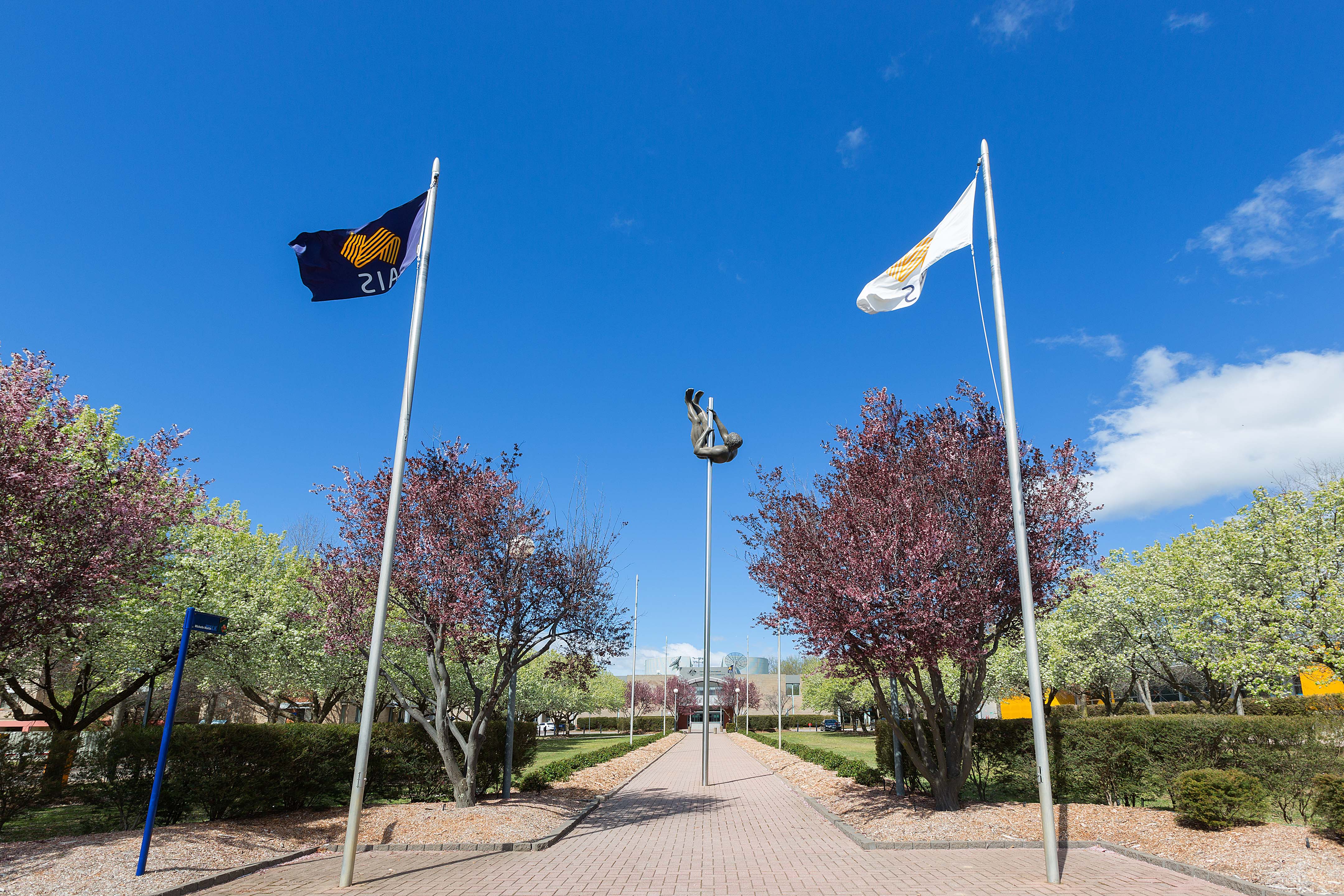
New data looking into wellbeing in high performance sport has reinforced Australia’s commitment to creating the exceptional environments needed for athletes and coaches to win well in both sport and life.
The inaugural National Wellbeing Survey, conducted by the Australian Institute of Sport (AIS), found more than 70 per cent of respondents were classified as thriving, with the majority of athletes, coaches and staff reporting positive levels of wellbeing.
More than 1,300 athletes, coaches and staff from 43 sports and every state and territory participated, making it the most comprehensive picture of wellbeing ever captured across Australia's high performance landscape.
Developed to establish a baseline measure of wellbeing across the system, the survey provides an evidence-based tool to track progress over time, identify areas requiring greater support and inform action to strengthen wellbeing and performance outcomes.
While findings point to strong foundations, particularly in belonging, connection and safety, the survey also identifies that wellbeing isn’t being experienced equally across the system, particularly among Para athletes, younger athletes and First Nations respondents.
Australian Sports Commission (ASC) CEO Kieren Perkins OAM said the survey results established a benchmark to measure progress and drive continued improvement.
"We know athlete wellbeing has not always been at the centre of Australian sport. Acknowledging that history and learning from it has been essential to building a better system,” Perkins said.
"The sector has worked collaboratively to ensure a win-at-all-costs mentality is a thing of the past. Today, we are focused on building environments where people can achieve elite performances and sustained success while being supported to thrive in both sport and in life.
“Our performances on the world stage in recent years indicate we are moving in the right direction and by providing independent avenues for people to share their experiences, we are contributing to a healthier sports system.”
The results of the survey come as the ASC confirms the window for new applications for the Restorative Program will close at the end of 2026.
Established in 2022 following the ASC Board’s apology to former AIS athletes treated inappropriately in the past, the Program has supported more than 225 former athletes over the past four years.
“The ASC Restorative Program has played an incredibly important role in providing acknowledgement, care and support to former athletes while shaping our practices as an organisation,” Perkins said.
“In line with best practice guidelines for programs of this nature, it has been determined that the Restorative Program has reached a stage where a defined closing date is appropriate.
"While new applicants will not be taken beyond this year, the program’s impact will continue. The lessons, insights and restorative practices developed through the program are helping to shape safer, more respectful and athlete-centred environments across Australian sport.”
A former athlete who took part in the Restorative Program, who chose to keep their identity private, is grateful they went through the process.
“I found it to provide a sense of closure and relief that my voice was heard and my experiences were acknowledged for what they were. I think it was incredibly beneficial and I’m glad I did it,” the athlete said.
Perkins said the National Wellbeing Survey is an important part of the sector’s commitment to a modern athlete-centred approach.
"The results reflect the significant leadership, investment and collaboration across the system over recent years and provide encouraging evidence that the ambitions of the Win Well Strategy are beginning to take hold,” Perkins said.
“While there are some strong results, the survey has highlighted a number of areas that require more focus.
"This insight is exactly why this survey matters. Conducted annually, it will help us track progress, identify emerging issues and focus our efforts where they are needed most.”