Presenters
Discover the presenters at the International TID Conference 2026

Keynote Presenters
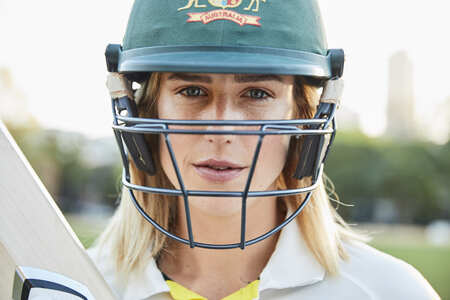
Australian International Dual Athlete (Cricket and Football)
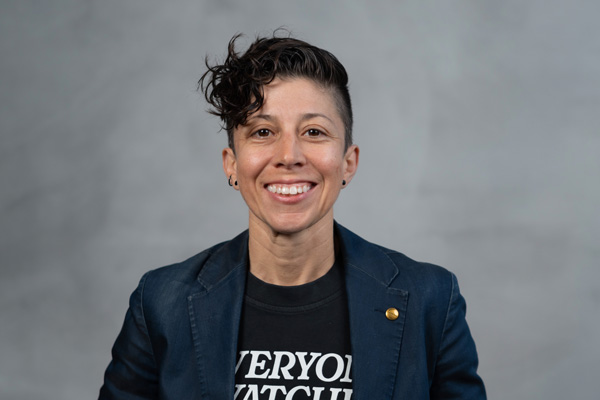
Pro-Vice-Chancellor (Sport) | Edith Cowan University
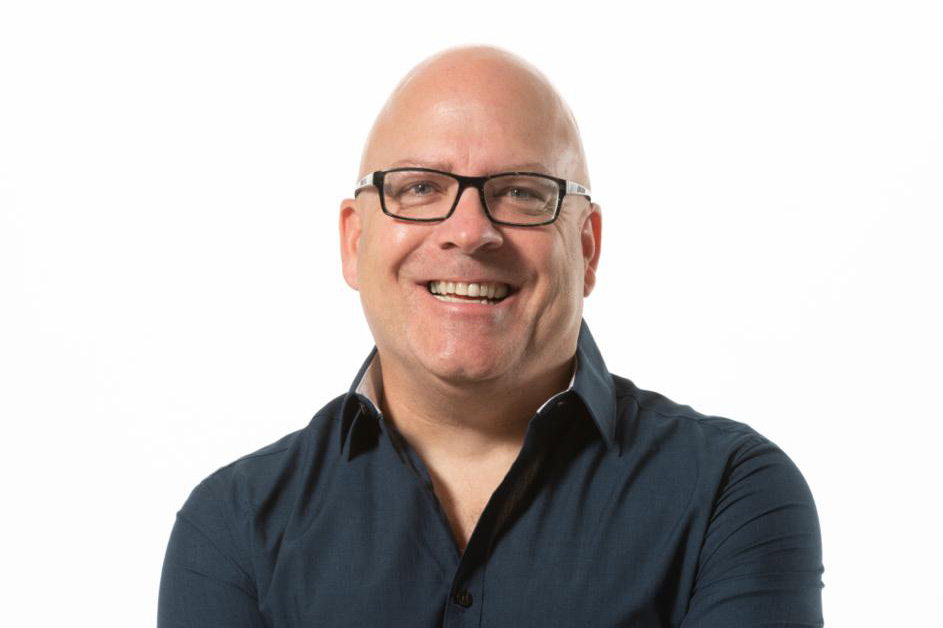
Tanenbaum Research Chair in Sport Science, Data Modelling and Sport Analytics | University of Toronto
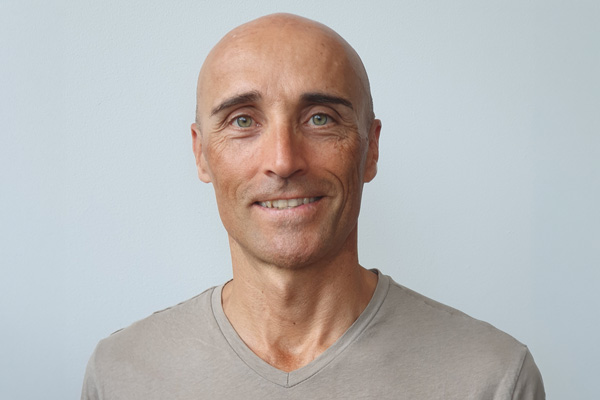
Associate Professor Iñigo Mujika
Adviser | Japan High Performance Sport Center
Director | IOC Diploma in Strength & Conditioning
Associate Professor | University of the Basque Country
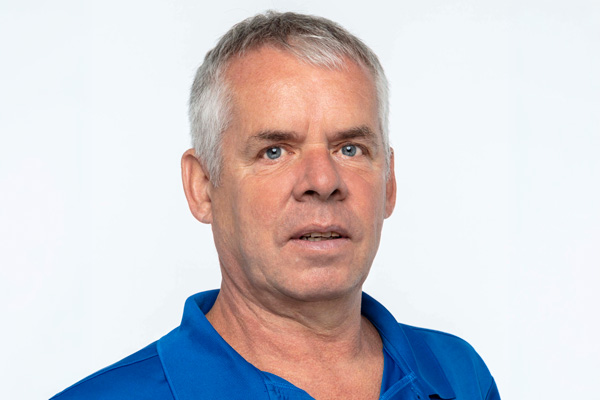
Department of Movement and Sport Sciences | Ghent University, Belgium
Spotlight Presenters
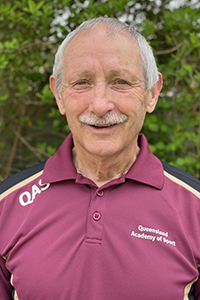
Professor Allan Hahn is a part-time Strategic Advisor to the Research & Innovation unit of the Queensland Academy of Sport and has held Adjunct Professorial positions at several Australian universities. He is a former Chief Scientist of the Australian Institute of Sport (AIS), where he worked for 27 years. He has a long history of involvement in research and the application of findings to practical work with sports. His research activities have included areas such as talent identification, preparation of athletes for competition in the heat, altitude training, doping detection, and development of technologies aimed at effective athlete monitoring in laboratory and field situations.
Highlights of Allan’s career have included a leading role in initiation of a rowing talent identification program that involved recruiting young people into the sport based on their physical and physiological characteristics and culminated in a women’s pair winning an Olympic gold medal in a boat named in his honour. He contributed to development of cooling vests that were used by Australian athletes at Olympic and Paralympic Games and in many other situations where there was a requirement to train and/or compete in hot conditions. He was a member of a team that developed a blood test for the banned drug erythropoietin in time for its introduction at the Sydney 2000 Olympics. He was the Project Champion for the Sport project of the Cooperative Research Centre for Microtechnology, where he assisted the development and field evaluation of athlete monitoring devices that combined GPS capabilities with inertial navigation technologies. These devices found use in numerous sports and eventually provided the basis for establishment (by others) of a successful commercial venture. He was also instrumental in establishing and overseeing a productive 5-year research partnership between the AIS and CSIRO (Australia’s premier Government-funded research institution).
While at the AIS, Allan conceived and implemented a ‘sport-based’ PhD program that entailed embedding of scholars and research activities within high-performance sport programs and came to involve numerous Australian universities. He later supported development of a modified form of boxing aimed at minimising injury risk through use of novel automated scoring technology and employment of gloves specially designed to reduce impact forces. In recent years he has become greatly interested in the role that community sport can play in achieving positive social change. He was a member of a team that established a fruitful ‘sport-for-development’ project in northern India. Through involvement in supervising a PhD scholar whose work had a strong sociological element, and through continuing interaction with that scholar after graduation, he now sees immense value in the conduct of qualitative research in the sport sector.
Allan’s efforts in the interests of Australian sport and sport science have been acknowledged through the award of an Order of Australia Medal and an Australian Sports Medal. In 2003, he was identified by The Bulletin magazine as one of the ‘Smart 100 Australians’ and received the magazine’s inaugural prize for innovation and creativity in the Sport category. In 2013, RMIT University awarded him a second doctorate (Doctorate of Applied Science - Honoris Causa) in recognition of his contribution to sport research.
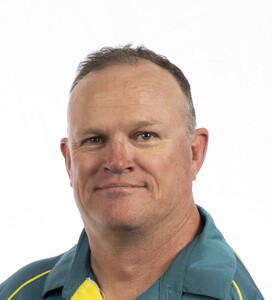
Tim Matthews is a 3-time Paralympian competing in Athletics sprints and relays at the 1996, 2000 and 2004 Paralympic Games. Across these Games he won three gold and two bronze medals. In the lead-up to the Sydney Paralympics, he ran what was the second-fastest 100m by any Paralympic athlete, clocking 10.86 seconds.
Despite being born with one arm and competing in multiple sports, he was not aware that he was eligible for Paralympic sport until he was 21, whilst studying 3rd year of University at La Trobe in Bendigo.
Tim also went on to coach three athletes to the Paralympic Games, including Paralympic long jump gold medallist at the 2012 London Games, Kelly Cartwright.
Since 2005, Tim has played a key role within Paralympics Australia, supporting talent identification and performance pathway development initiatives. It was in 2005 when Paralympics Australia initiated a Paralympic Talent Search program which saw 27 athletes identified going on to compete at the next Summer Games in Beijing, with 15 of these winning medals. He has worked through multiple iterations of Talent Initiatives within PA and the broader Para sport sector.
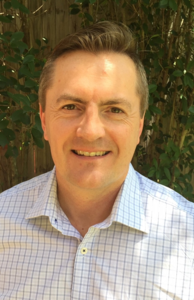
Steve Cobley is an internationally recognised researcher and teacher. His research interests examine individual and developmental factors affecting sporting engagement, skill acquisition, and athlete development. Steve has published extensively in leading peer reviewed journals. He's also co-edited three books in talent identification and athlete development and written multiple independent book chapters. His research and applied work have led to the evaluation, modification, and writing of policy and programs with sporting organisations. Steve has an extensive supervisory record, having mentored many post-graduates into applied sport scientist and academic positions.
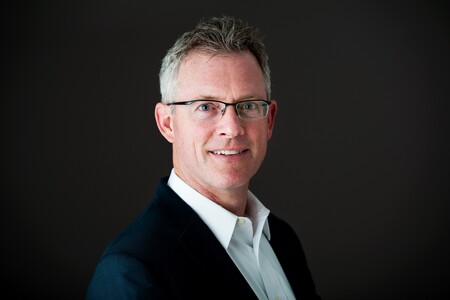
Professor David T. Martin has more than 35 years of experience in Olympic and professional sport, working at the intersection of sport science, technology, and high-performance systems. His research spans talent identification, sport technology, competition demands, fatigue management, training methodology, aerodynamics, altitude training, and thermoregulation, with more than 125 peer-reviewed publications addressing these topics.
David has held senior roles at the Australian Institute of Sport, including Senior Sport Scientist, National Sport Science Coordinator for Cycling, and inaugural Director of Performance for the AIS combat centre and skeleton programs. Many of these programs incorporated multidisciplinary talent identification, transfer and development themes. During his time with Cycling Australia, supported athletes achieved multiple Olympic medals and included world champions, world record holders, and Australia’s only Tour de France winner.
From 2015–2019 David served as Director of Performance Research and Development for the Philadelphia 76ers (NBA), where he helped establish an integrated high-performance support program. He has supervised 13 sport science PhD students, many of whom now hold leadership roles in high-performance sport.
David previously served as Chief Scientist and Director of Performance at Apeiron Life in Silicon Valley. Since 2025 he has returned to Australia and now holds a conjoint appointment with The University of Queensland and the Queensland Academy of Sport, focusing on the application of scientific and technological innovation to athlete performance and development.

Dr. Jason Gulbin – Director, International Sport Advisory Services - is a ‘pracademic’ specialising in applied talent identification (TID) and development programs. He led and managed the Australian Institute of Sport/Australian Sport Commission National TID and Development programs (2000-2013), steering it through significant diversification and national expansion. His long‑term appointments in Switzerland and Japan, alongside extensive consultancy engagements, support organisations across global sporting ecosystems to enhance their high‑performance structures and pathways. Jason is the originator of the internationally recognised FTEM framework, which continues to inform policy, practice, and research in athlete, sport and system development. He holds an Honorary Adjunct Assistant Professorship at Bond University.
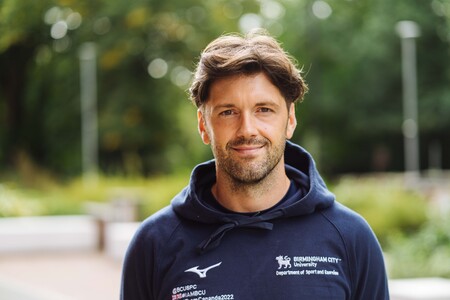
Professor Adam L. Kelly, Ph.D., is Professor of Sport and Exercise, Course Leader for Professional Doctorate in Sport (DSport), and Director of Research for Athlete and Youth Sport Development (RAYSD) Lab at Birmingham City University, United Kingdom. Alongside completing a Ph.D. at the University of Exeter, United Kingdom, Professor Kelly holds SFHEA, MCASES, and FA UEFA A. He is currently working closely with the FIFA Talent Development Scheme, helping the future of talent development systems in football across the world. He has authored more than 150 scientific articles and book chapters as well as edited two books, including Talent Identification and Development in Youth Soccer.
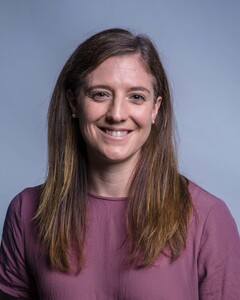
Dr Emma Beckman is a Teaching and Research academic at the University of Queensland. Emma is passionate about engaging in research to improve the lives of people with a disability through sports, physical activity, and exercise. Following a master’s degree in Adapted physical activity, Emma completed her PhD in strength assessment for classification in Para Sport. She is currently a co-investigator in the UQ IPC Classification Research Partnership, and an internationally accredited classifier in Para Athletics. She is currently in a joint role with UQ, and The Queensland Academy of Sport (QAS) and Paralympics Australia where she acts as the Para Sport High Performance Manager and helps identify, develop and support Para athletes in the High-performance sport system.
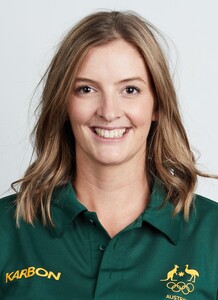
As the Sport Performance Manager at the OWIA, Hannah Kennedy has played a key role in shaping Australia’s performance strategy for Olympic and World Championship winter sport campaigns since 2014, including Australia’s most successful Olympic Winter Games held earlier this year in Milano Cortina, Italy. Her work centres on the identification, development, and management of elite talent, aligning people, systems, and environments to maximise performance at the Olympic level.
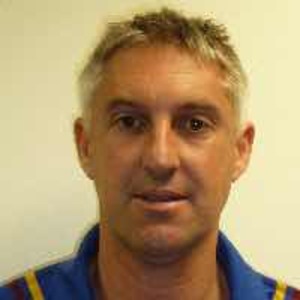
Stephen Conole