Across the life course
What benefits does participation in sport deliver at different stages of life?
Sport creates value at every stage of life, from building physical literacy and positive habits in childhood to supporting wellbeing, social connection, productivity and healthy ageing in adulthood.
Understanding these benefits across the life course helps organisations design participation experiences that maximise the health, social, and economic impact of sport for individuals, communities and government.
The Australian National Preventive Health Strategy 2021-2030, opens in a new tab calls for more Australians to be engaged in sport and active recreation throughout every stage of life.
Birth to 5 years
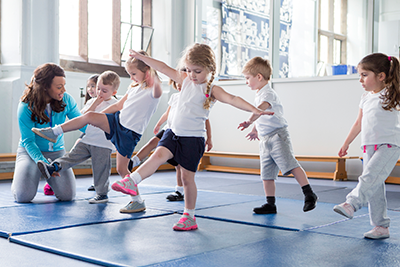
Through play, movement and sport-related activities, young children develop the confidence, coordination and physical literacy foundations that support lifelong health, wellbeing and participation.
Value and benefits
For individuals: 4, 5, 6, 7
- Builds physical literacy across the physical, social, cognitive and psychological domains.
- Supports educational outcomes.
- Supports physical health and development.
- Supports emotional wellbeing.
- Supports positive behavioural outcomes.
- Increases the likelihood of becoming an active and healthy lifelong participant in physical activity.
For communities: 4, 5, 6, 7
- Contributes to a population that is more likely to be active and healthy throughout life.
- Supports positive academic, physical, emotional and behavioural outcomes for children and young people.
Understanding the cohort
At December 2025, children aged 0-4 years represented approximately 5.4% (1.51 million) of the Australian population. 1
In 2025, an estimated 18% of children aged 0–4 participated in sport-related activities at least once per week outside of school hours. 2
5 to 14 years
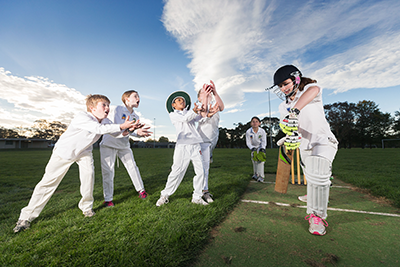
Through participation in a range of sports and physical activities, children and young people continue to build physical literacy, and gain experiences that support their education, wellbeing, life skills and lifelong participation in physical activity.
Value and benefits
For individuals:
- Continues to build physical literacy, skills and confidence through participation in a range of sports and activities. 4, 5
- Supports educational outcomes. 8, 9
- Supports social and mental wellbeing. 8, 9
- Develops life skills. 10
- Encourages lifelong participation in physical activity and associated health benefits. 11, 12, 13, 14
- Increases the likelihood of remaining physically active into adulthood. 11, 12
- Participation in sport during adolescence, particularly team sports, is associated with lower depression, anxiety and perceived stress, and higher self-rated mental health in young adulthood. 8, 9, 15, 16, 17
For communities:
- Contributes to a population that is more likely to remain physically active throughout life. 11, 12
- Supports positive mental health and wellbeing outcomes among children and young people. 8, 9, 15, 16, 17
- Provides long-term health and social benefits through sustained physical activity. 11, 12
- Contributes to reduced lifetime healthcare costs associated with inactivity. 11, 12
Understanding the cohort
At December 2025, children aged 5-14 years represented approximately 11.8% (3.29 million) of the Australian population. 1
In 2025, an estimated 47% of children aged 5–14 participated in sport-related activities at least once per week outside of school hours. 2
For children aged 5-14 years, the most common barriers to sport and physical activity include a lack of interest, cost and transport challenges, competing priorities, and perceptions that they are already active enough. 46
15 to 24 years
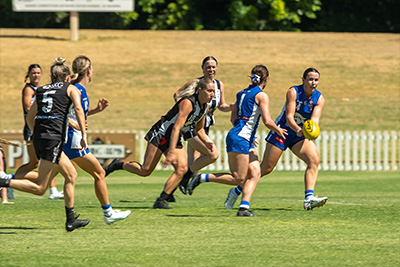
Sport and physical activity help young people navigate a period of significant transition, supporting their education, employment, wellbeing, health and connection to community while encouraging lifelong participation in physical activity.
Value and benefits
For individuals:
- Supports educational and employment outcomes, including academic performance, job-ready skills and increased earning capacity. 9, 18, 19, 20, 21, 22, 23, 24, 25, 26
- Supports social and mental wellbeing, including into the future. 9, 13, 19, 27, 28, 29, 30
- Improves physical fitness and long-term health. 19, 30
- Encourages prosocial behaviours. 19
- Is associated with greater trust in others, a stronger sense of belonging and an increased desire to contribute to the community through activities such as volunteering. 9, 13, 27, 28
For communities:
- Contributes to improved health and wellbeing outcomes. 19, 31
- Supports education outcomes. 9
- Strengthens community engagement and participation. 9, 19
- Contributes to crime reduction. 19, 32, 33
- Supports equality and inclusion. 19
- Contributes to economic development, including GDP contribution, improved labour productivity and health system savings. 19, 34
- May contribute to reduced lifetime costs and improved return on investment across a range of government policy objectives. 9, 19, 31, 32, 33, 34
Understanding the cohort
At December 2025, young adults aged 15-24 years represented approximately 12.8% (3.55 million) of the Australian population. 1
In 2025, an estimated 43% of young adults aged 15–24 participated in sport-related activities at least once per week. 2
For young adults aged 15-24 years, the most common barriers to sport and physical activity include a lack of time due to work, study and other commitments, low motivation, a lack of interest in sport and physical activity, and competing priorities. Some also report not having anyone to participate with. 46
25 to 54 years
Sport and physical activity help adults maintain their health, wellbeing and community connections throughout life, while providing opportunities to continue participating, volunteering and contributing to their communities.
Value and benefits
For individuals:
- Supports the maintenance and improvement of fitness and long-term health. 19, 35, 36
- Supports social and mental wellbeing. 19, 36
- Strengthens community connection. 37
- Supports the ongoing development and transfer of life skills. 38
- Improves workplace productivity and engagement. 39, 40
- Participation in sport during middle age is associated with better health-related quality of life. 35
- Participation in sport and volunteering is associated with improved physical and mental fitness and function across the life course. 37, 35, 36, 42, 43, 44
- Adults who participate in sport, including as volunteers, generally report feeling happier and healthier. 37, 35, 36, 42, 43, 44
For communities:
- Encourages children and young people's participation in sport through parental involvement in playing and volunteering roles. 4
- Contributes to community participation through volunteering and other non-playing roles. 4
- Supports health and wellbeing outcomes across the population. 19, 31
- Contributes to community engagement. 9, 19
- Supports equality and inclusion. 19
- Contributes to economic development through GDP contribution, improved labour productivity and health system savings. 41, 45
- Has the potential to reduce public health costs associated with physical inactivity and related health conditions. 31, 41
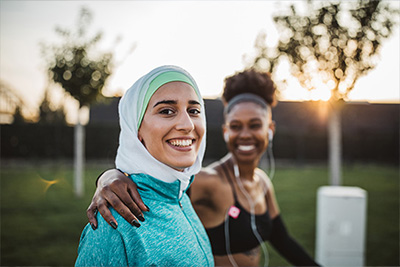
At December 2025, adults aged 25-54 years represented approximately 41.1% (11.43 million) of the Australian population. 1
In 2025, an estimated 29% of adults aged 25–54 participated in sport-related activities at least once per week. 2
For adults aged 25-54 years, the most common barriers to sport and physical activity include a lack of time due to work, family and other commitments, low motivation, competing priorities, and a lack of interest in sport and physical activity. Poor health and injury also prevent some adults from participating. 46
55+ years
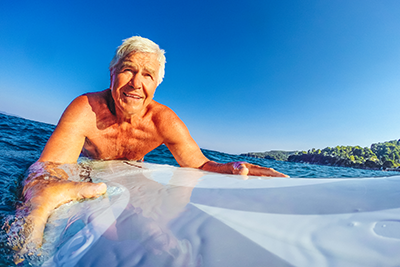
For older adults, sport and physical activity support healthy ageing by helping maintain physical function and wellbeing, reducing social isolation, and keeping people connected to their communities.
Value and benefits
For individuals: 19
- Supports the maintenance and improvement of fitness, physical function and long-term health.
- Supports social and mental wellbeing.
- Strengthens community connection.
- Provides cumulative benefits from lifelong participation in sport and physical activity.
For communities:
- Supports healthy and active ageing across the population. 19
- Contributes to community connection and social participation. 19
- Benefits from the ongoing contribution of older adults who remain engaged in volunteering and other non-playing roles. 4
Understanding the cohort
At December 2025, adults aged 55 years and over represented approximately 28.8% (8.02 million) of the Australian population. 1
In 2025, an estimated 19% of adults aged 55 and over participated in sport-related activities at least once per week. 2
For adults aged 55 years and over, the most common barriers to sport and physical activity include poor health, disability, injury, and perceptions that they are too old to participate. Some older adults also report a lack of interest in sport and physical activity. 46
REFERENCES
- National, state and territory population: December 2025, opens in a new tab, Australian Bureau of Statistics, (18 June 2026).
- AusPlay Data Portal: Sport-related participation – frequency of participation, opens in a new tab, Australian Sports Commission, (accessed 4 August 2026).
- AusPlay Data Portal: Non-playing roles, opens in a new tab, Australian Sports Commission, (accessed 4 August 2026).
- AusPlay: Lifelong involvement in sport, Australian Sports Commission, (November 2025).
- Australian Physical Literacy Framework, Australian Sports Commission, (Version 3; 2025).
- Movement Matters: A moving child is a thriving child, opens in a new tab, National Early Years Active Start Partnership (NEYASP), (2026).
- Power of Sport: The True Sport Report, opens in a new tab, Canadian Centre for Ethics in Sport (CCES), (2022).
- Bidirectional Associations between Sport Involvement and Mental Health in Adolescence, opens in a new tab, Vella, Stewart A., Swann, Christian, Allen, Mark S., et al., Medicine and Science in Sports and Exercise, Volume 49(4), pp.687-694, (2017).
- Thriving through sport: The transformative impact on girls’ mental health, opens in a new tab, Massey, W. V., Veliz, P. T., Zarrett, N., et al., Women’s Sport Foundation, (2024).
- Sport in Western Australia: Social Return on Investment, opens in a new tab, Sport West, (2022).
- Can Sports Practice in Childhood and Adolescence Be Associated with Higher Intensities of Physical Activity in Adult Life? A Retrospective Study in Community-Dwelling Adults, opens in a new tab, Gabriela C. Silva, William R. Tebar, Italo R. Lemes, et al., International Journal of Environmental Research and Public Health, Volume 19(22), 14753, (2022).
- Literature review of the methodological evidence base for assessment of the economic and social value of sport and active recreation, opens in a new tab, Keane, L., Hoare, E., Bellew, B., et al., Prepared for the NSW Office of Sport. Sport and Active Recreation Intervention and Epidemiology Research (SPRINTER) Group, The University of Sydney, (2017).
- Health-related outcomes of youth sport participation: a systematic review and meta-analysis, opens in a new tab, Dennis Bengtsson, Joar Svensson, Virginia Wiman, et al., International Journal of Behavioral Nutrition and Physical Activity, Volume 22, article number 89, (2025).
- Cardiometabolic Outcomes of Youth Participating in Organized Sport from Childhood to Early Adolescence, opens in a new tab, Hliounakis, Holly, Sanders, Taren, George, Emma S., et al., Medicine & Science in Sports & Exercise, Volume 58(7), pp.1475-1482, (2026).
- Number of Years of Team and Individual Sport Participation During Adolescence and Depressive Symptoms in Early Adulthood, opens in a new tab, Catherine M. Sabiston, Rachel Jewett, Garcia Ashdown-Franks, et al., Journal of Sport and Exercise Psychology, Volume 38(1), pp.105-110, (2016).
- School Sport Participation During Adolescence and Mental Health in Early Adulthood, opens in a new tab, Rachel Jewett, Catherine M. Sabiston, Jennifer Brunet, et al., Journal of Adolescent Health, Volume 55(5), pp.640-644, (2014).
- Sport participation in high school and anxiety symptoms in young adulthood, opens in a new tab, Garcia Ashdown-Franks, Catherine M. Sabiston, Shauna Solomon-Krakus, et al., Mental Health and Physical Activity, Volume 12, pp.19-24, (2017).
- The Value of Sport, opens in a new tab, Unisport Australia, (2022).
- The Social Impact of Sport: Unlocking the potential of sport to drive social transformations, opens in a new tab, United Nations Educational, Scientific and Cultural Organisation (UNESCO), (2024).
- Sports, exercise, and labor market outcomes, opens in a new tab, Michael Lechner, World of Labour, (2015).
- Does Athletic Participation Signal Employability? An Experimental Analysis of Male and Female Athlete Job Applicants, opens in a new tab, Brendan Dwyer, Jennifer L Gellock, Journal of Intercollegiate Sport, Volume 11(1), (2018).
- The value of university sport and physical activity: British Universities & Colleges Sport (BUCS) position statement and evidence, opens in a new tab, British Universities & Colleges Sport, (2020).
- The positive impact of sports participation on life skills’ development: a qualitative study with medical students, opens in a new tab, Ricardo T. Quinaud, Kauana Possamai, José Roberto Andrade do Nascimento Júnior, et al., Sport in Society, Volume 26(4), pp.687-702, (2023).
- Heterogeneous sports participation and labour market outcomes in England, opens in a new tab, Michael Lechner, Paul Downward, Applied Economics, Volume 49(4), pp.335-348, (2017).
- No Revenge for Nerds? Evaluating the Careers of Ivy League Athletes, opens in a new tab, Natee Amornsiripanitch, Paul Gompers, George Hu, et al., National Bureau of Economic Research, Working Paper 31753, (2023).
- The outcomes related to sport and physical activity: A better understanding of health, social, labour and academic impacts, opens in a new tab, Cristina Muniz, Paul Downward, 'Sports (and) Economics', Funcas Social and Economic Studies, 7, pp.393-423, (2019).
- The impact of sports participation on psychological health and social outcomes in children and adolescents: a systematic review and update to the “Mental Health through Sport” conceptual model, opens in a new tab, Levi Wade, Rochelle Eime, Aurélie Pankowiak, et al., Systematic Reviews, Volume 15, article 121, (2026).
- Value of sport: Social and mental wellbeing, Clearinghouse for Sport, (accessed 8 April 2026).
- Global State of Mind Study: Australia, opens in a new tab, Professor Brendon Stubbs, Kings College London for Asics, (2024).
- Sports as a pathway to wellness: sports and health-related quality of life among adolescents in Germany (a cross-sectional analysis from GeWIT Study), opens in a new tab, Nessia Rachma Dianti, Anne-Lisa Heye, Michaela Maas, et al., BMC Public Health, Volume 26, article number 607, (2026).
- Economics of sport and physical activity participation and injury, opens in a new tab, Australian Institute of Health & Welfare, (updated 5 September 2023).
- Do Sports Programs Prevent Crime and Reduce Reoffending? A Systematic Review and Meta-Analysis on the Effectiveness of Sports Programs, opens in a new tab, Irina Jugl, Doris Bender, Friedrich Lösel, Journal of Quantitative Criminology, Volume 39, pp.333-384, (2023).
- Getting On Track: Reducing youth offending and re-offending through sport and physical activity, opens in a new tab, Sport for Development Coalition, (2024).
- Sports Industry Economic Analysis, opens in a new tab, KPMG for the Office for Sport, Department of Health, (March 2020).
- Physical activity types and health-related quality of life among middle-aged and elderly adults: The Rotterdam Study, opens in a new tab, Chantal M. Koolhaas, K. Dhana, F. J. A. van Rooij, J. D. Schoufour, et al., The Journal of Nutrition, Health and Aging, Volume 22, pp.246-253, (2018).
- Australian golfers with and without osteoarthritis report reduced psychological distress and improved general health compared to a general population-based sample, opens in a new tab, Brad J. Stenner, Terry Boyle, Daryll Archibald, et al., Journal of Science and Medicine in Sport, Volume 26(3), pp.202-207, (2023).
- Volunteering is good for us and the community!, opens in a new tab , Office for Recreation, Sport and Racing, Government of South Australia, (2020).
- Life skills development and transfer amongst socially vulnerable adults through sports: a systematic review, opens in a new tab, Liselot ter Harmsel-Nieuwenhuis, Güven Alarslan, Ivo van Hilvoorde, et al., International Review of Sport and Exercise Psychology, Volume 18(1), pp.29-69, (2025).
- What benefits does team sport hold for the workplace? A systematic review, opens in a new tab, Andrew Brinkley, Hilary McDermott, Fehmidah Munir, Journal of Sports Sciences, Volume 35(2), pp.136-148, (2017).
- It's Time to Start Changing the Game: A 12-Week Workplace Team Sport Intervention Study, opens in a new tab, Andrew Brinkley, Hilary McDermott, Rachel Grenfell-Essam, et al., Sports Medicine – Open, Volume 3, article number 30, (2017).
- Get active and your health isn't the only thing that will benefit, opens in a new tab, Office for Recreation, Sport and Racing, South Australia, (20 October 2020).
- The Social and Economic Value of Adult Grassroots Football in England: An analysis of the contribution of grassroots football to the Nation’s economy and wellbeing, opens in a new tab [UK], The FA, (July 2019).
- Effects of low vs. moderate dose of recreational football on cardiovascular risk factors, opens in a new tab, Roberto Modena, Franco M. Impellizzeri, Alessandro Fornasiero, et al., European Journal of Sport Science, Volume 23(6), pp.1047-1055, (2023).
- A mixed-method analysis of the contribution of informal sport to public health in Australia, opens in a new tab, Ruth Jeanes, Justen O’Connor, Dawn Penney, et al., Health Promotion International, Volume 39(3), (2024).
- New data shows parkrun’s savings to NHS England, opens in a new tab, parkrun UK, (26 March 2026).
- AusPlay Data Portal: Barriers to participation, opens in a new tab, Australian Sports Commission, (accessed 14 August 2026).
See more on this topic:
- Overview
- Across the life course
- Economic
- Education
- High Performance
- Preventive Health
- Social and Mental Wellbeing
- Social cohesion
Last updated: 14 August 2026 Content disclaimer: See Clearinghouse for Sport disclaimer
Is this information complete? The Clearinghouse for Sport is a sector-wide knowledge sharing initiative, and as such your contributions are encouraged and appreciated. If you would like to suggest a resource, submit a publication, or provide feedback on this topic, please contact us.