Physical Literacy and Sport
How physical literacy can impact participation in sport and physical activity
Physical literacy is the development of the skills, knowledge, confidence and behaviours that give individuals the ability and motivation to lead physically active lives. 1
Physical literacy involves holistic lifelong learning through movement and physical activity. 2 It can help Australians at every stage of life develop and maintain positive physical activity behaviours, while supporting physical, psychological, social and cognitive health and wellbeing. 1
Physical literacy is not a linear journey. People develop at different rates and may progress, regress or skip stages as they learn and adapt to new experiences throughout their lives. 3
Defining physical literacy
In its broadest sense, ‘literacy’ refers to gaining knowledge, skills and competence within a particular area of learning. While a lot of learning occurs during childhood, supported by parents, carers, teachers, and peers, the process evolves and continues throughout life, shaped by both structured and informal experiences. 3
There are many definitions of physical literacy, however common themes include: 3, 4, 5
- Physical literacy is a lifelong process.
- Acquisition (competence) of movement skills is a core component.
- Physical literacy also includes knowledge, attitudes, and motivations that facilitate confident movement and the desire to be physically active.
Physical literacy can be developed through a range of movement experiences. Sport is an excellent way to build physical literacy, however everyday physical activity, play, and incidental movement all contribute. 3, 5, 6
The Australian Physical Literacy Framework
The Australian Physical Literacy Framework (the Framework) was released in 2019 by the Australian Sports Commission, after consultation with sport, education, and health sectors. 3 The Framework provides a shared vision, common language, and a consistent understanding of what physical literacy is and how it can be developed.
The four inter-related domains of the Framework are:
- Physical: The skills and fitness a person acquires and applies through movement.
- Psychological: The attitudes and emotions associated with movement and the impact these have on confidence and motivation to move.
- Social: The interaction with others in relation to movement.
- Cognitive: A person's understanding of how, why and when they move.
Why physical literacy matters
Lifelong impact
Physical activity both contributes to the development of physical literacy and is the result of being physically literate. 2 Therefore, physical literacy can help establish a positive lifelong relationship with physical activity and sport participation.
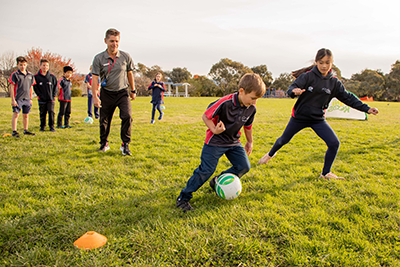
Children who are more physically literate tend to engage in more frequent and higher levels (e.g. moderate-to-vigorous intensity) of physical activity, both now and in the future. 2, 7, 8, 9
Becoming physically literate also involves developing the ability to transfer skills, knowledge, behaviours and attitudes to new and different contexts. Opportunities to participate in a wide range of physical activities and sports can help build physical competence, confidence, social connections and decision-making skills. 3
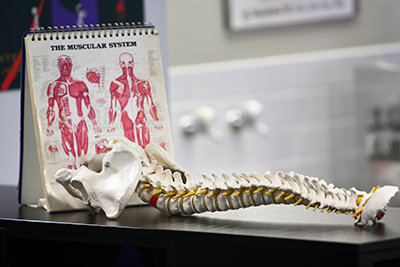
Contribution to health outcomes
Physical literacy supports positive health outcomes and prevention of disease by encouraging regular participation in physical activity, which is linked to improved physical, psychological, cognitive, and social health and wellbeing. These benefits include: 2, 10, 11, 12, 13, 14
- Reduced risk of cardiovascular disease, type 2 diabetes, high blood pressure, certain cancers, fractures, and osteoarthritis, and maintenance of healthy body composition.
- Reduced risk of depression and anxiety, and increased self-esteem.
- Increased productivity and social inclusion.
Role of sport
Sport can play a positive role in helping people of all ages develop, maintain, and strengthen their physical literacy.
In childhood, organised movement activities such as athletics, swimming and gymnastics can help develop a range of fundamental movement skills. 15, 27 Fundamental movement skills may include object control skills (kicking, throwing, catching), locomotor skills (running, jumping, hopping), body control skills (balancing, tumbling, climbing) and aquatic skills (floating, swimming strokes, paddling). 16 These foundational skills provide the building blocks for more sport-specific skills, which in turn, and can also build the confidence to engage in sport and physical activity. 16, 17
While movement skills are most frequently considered, sport also helps develop the social and psychological domains of physical literacy through making physical activity something that is both fun and done with other people. 18, 19, 20, 21
Children and young people who grow up playing sport are more likely to remain active as adults. 22, 23 Parents and caregivers play a key role in shaping positive early experiences of sport, including through the value they place on participation and their own involvement in sport. 24, 25, 26
Factors impacting physical literacy
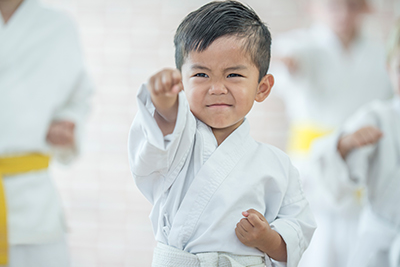
The early years
Physical activity and motor development during the early years, underpin much of a child’s acquired physical literacy at later stages of development.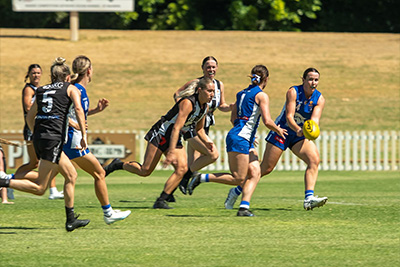
Gender
Girls and women often face barriers to developing physical literacy, including fear of judgement, gender stereotypes, and fewer opportunities tailored to their needs.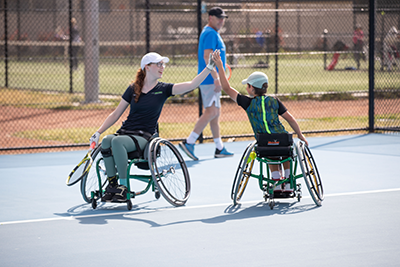
Disability
Disability can influence physical literacy through differences in participation opportunities, confidence, and perceived competence.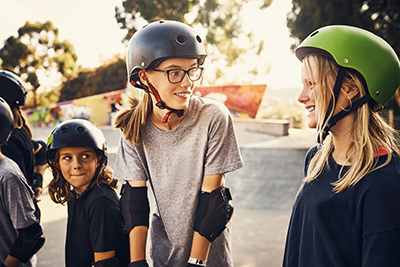
Social, Economic and Geographic
Access to movement experiences can be influenced by social, economic and geographic factors.
Impact
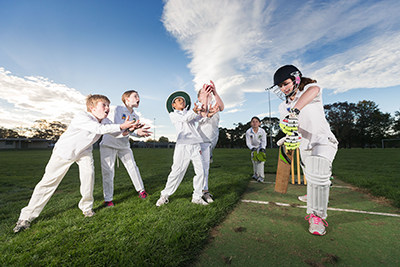
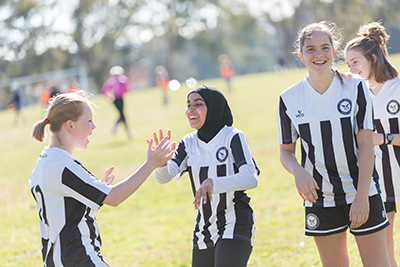
More information on the benefits and impact of sport participation on physical literacy for different groups is available in these Clearinghouse Evidence Base topics:
Programs, policies and supporting structures
Australian
Australian strategies, policies, programs, reports and research relating to physical literacy.International practice
International strategies, policies, programs, reports and research relating to physical literacy.
REFERENCES
- Physical literacy, Australian Sports Commission, (accessed 26 June 2026).
- Physical literacy, physical activity and health: Toward an evidence-informed conceptual model, opens in a new tab, Cairney, J., Dudley, D., Kwan, M. et al., Sports Medicine, Volume 49, pp.371-383, (2019).
- The Australian Physical Literacy Framework, Australian Sports Commission, (2025).
- Canada's Physical Literacy Consensus Statement, opens in a new tab, Sport for Life, (2015).
- Positive experiences for all: Our physical literacy consensus statement for England, opens in a new tab, Sport England, (2023).
- The physical activity and sport participation framework—A policy model toward being physically active across the lifespan, opens in a new tab. Westerbeek H and Eime R, Frontiers in Sports and Active Living, Volume 3, pp.1-11 (2021).
- Sixty minutes of what? A developing brain perspective for activating children with an integrative exercise approach, opens in a new tab, Myer GD, Faigenbaum AD, Edwards NM, et al., British Journal of Sports Medicine, Volume 49(23), pp.1510-1516, (2015).
- Physical literacy profiles are associated with differences in children’s physical activity participation: A latent profile analysis approach, opens in a new tab, Denver M.Y. Brown, Dean A. Dudley, John Cairney, Journal of Science and Medicine in Sport, Volume 23(11), pp.1062-1067, (2020).
- Children and young people: Physical literacy, opens in a new tab, Sport England, (accessed 6 August 2026).
- Physical Activity, opens in a new tab, World Health Organization, (accessed 14 August 2026).
- Systematic review of the relationships between objectively measured physical activity and health indicators in school-aged children and youth, opens in a new tab, Poitras VJ, Gray CE, Borghese MM, et al., Applied Physiology, Nutrition, and Metabolism, Volume 41, pp.S197-S239, (2016).
- Understanding Physical Literacy: A Canadian Perspective, opens in a new tab, Sport for Life, (2024).
- Guidelines on physical activity, sedentary behaviour and sleep for children under 5 years of age, opens in a new tab, World Health Organisation, (April 2019).
- Associations between motor competence and physical activity, physical fitness and psychosocial characteristics in adolescents: A systematic review and meta-analysis, opens in a new tab, Burton, A.M., Cowburn, I., Thompson, F. et al., Sports Medicine, Volume 53, pp.2191-2256, (2023).
- Effectiveness of a 16 week gymnastics curriculum at developing movement competence in children, opens in a new tab, Rudd J, Barnett L, Farrow D, et al., Journal of Science and Medicine in Sport, Volume 20(2), pp.164-169 (2017).
- Nurturing a child’s sporting development, Australian Sports Commission, (accessed 26 August 2026).
- Perceived competence a key factor in children’s participation in physical activity, opens in a new tab, Dublin City University, (27 March 2020).
- Factors relating to women and girls' participation (retention and dropout) in sport, opens in a new tab, Institute for Health and Sport, Victoria University, (February 2023).
- The motivations to play organised club-based sport in Australia, opens in a new tab, Rochelle Eime, Jack Harvey, Melanie Charity, et al., Leisure Studies, Volume 44(4), pp.697–712. (2025).
- Learn, Have Fun and Be Healthy! An Interview Study of Swedish Teenagers’ Views of Participation in Club Sport, opens in a new tab, Jakobsson BT, Lundvall S., International Journal of Environmental Research and Public Health. Volume 18(13), (2021).
- Why sports? Sketching a typology of young people’s reasons for taking part in sports,, opens in a new tab Espedalen, L. E., & Seippel, Ø., Sport in Society, Volume 28(5), pp.698–721, (2025).
- Can Sports Practice in Childhood and Adolescence Be Associated with Higher Intensities of Physical Activity in Adult Life? A Retrospective Study in Community-Dwelling Adults, opens in a new tab, Gabriela C. Silva, William R. Tebar, Italo R. Lemes, et al., International Journal of Environmental Research and Public Health, Volume 19(22), (2022).
- Literature review of the methodological evidence base for assessment of the economic and social value of sport and active recreation, opens in a new tab, Keane, L., Hoare, E., Bellew, B., et al., Prepared for the NSW Office of Sport. Sport and Active Recreation Intervention and Epidemiology Research (SPRINTER) Group, The University of Sydney, (2017).
- The interplay between parental behaviors and adolescents' sports-related values in understanding adolescents' dropout of organized sports activities, opens in a new tab, Darun Jaf, Stefan Wagnsson, Therése Skoog, et al., Psychology of Sport and Exercise, Volume 68, (2023).
- Asian Girls Insight Research: Barclays Girls' Football School Partnership by England Football, opens in a new tab, Youth Sport Trust, (August 2021).
- Sport, Stereotypes and Stolen Dreams: Why girls still feel they don’t belong in sport, opens in a new tab, Women in Sport, (March 2023).
- The Impact of Swimming on Fundamental Movement Skill Development in Children (3-11 Years): A Systematic Literature Review, opens in a new tab, Sinclair L, Roscoe CMP, Children (Basel, Switzerland), 10(8), (2023).
- How Play Streets supports the development of physical literacy in children: A research review, opens in a new tab, La Trobe University Centre for Sport and Social Impact, (June 2020).
- Movement Matters: A moving child is a thriving child, opens in a new tab, National Early Years Active Start Partnership (NEYASP), (2026).
- APPLE Model helps early childhood educators incorporate physical literacy, opens in a new tab, Active for Life, (1 November 2019).
- How physical literacy in childcare benefits children, parents, and ECEs, opens in a new tab, Active for Life, (June 2020).
- The effect of a physical activity intervention on preschoolers’ fundamental motor skills — A cluster RCT, opens in a new tab, Niko S. Wasenius, Kimberly P. Grattan, Alysha L.J. Harvey et al., Journal of Science and Medicine in Sport, Volume 21(7), pp.717-719, (2018).
- Barriers to voluntary participation in sport for children: a systematic review, opens in a new tab, Sarah Somerset, Derek J. Hoare, BMC Pediatrics, Volume 18, (2018).
- Physically literate girls: The need for schools to develop girls who are physically literate, opens in a new tab, ACHPER Victoria, Victoria University and the Office for Women in Sport and Recreation, (2020).
- Sport, Stereotypes and Stolen Dreams: Why girls still feel they don’t belong in sport, opens in a new tab, Women in Sport, (March 2023).
- Exploring Australian teachers’ perceptions of physical literacy: a mixed-methods study, opens in a new tab, Essiet, I. A., Warner, E., Lander, N. J., et al., Physical Education and Sport Pedagogy, Volume 29(1), pp.18-37, (2024).
- Physical literacy coalition action plan 2025-2027, Australian Sports Commission, (2024).
- Physical literacy – Guide for schools, Australian Sports Commission, (accessed 6 August 2026).
- Increasing physical literacy in youth: A two-week Sport for Development program for children aged 6-10, opens in a new tab, Warner, M., Robinson, J., Heal, B. et al., Prospects, Volume 50, pp.165-182, (2021).
- Long-term effectiveness of a fundamental motor skill intervention in Belgian children: A 6-year follow-up, opens in a new tab, Coppens E, Rommers N, Bardid F, et al., Scandinavian Journal of Medicine and Science in Sports, Volume 31(Suppl 1), pp.23-34, (2021).
- Physical activity and motor skills in children: A differentiated approach, opens in a new tab, Laura C. Dapp, Venera Gashaj, Claudia M. Roebers, Psychology of Sport and Exercise, Volume 54, (2021).
- The power of physical activity: A 2-year study on the impact of intentional youth sport programming, opens in a new tab, MLSE Launchpad, (accessed 5 August, 2026).
- Active Lives Children and Young People Survey: Academic year 2024-25, opens in a new tab, Sport England, (December 2025).
- Motor Competence and Body Mass Index in the Preschool Years: A Pooled Cross-Sectional Analysis of 5545 Children from Eight Countries, opens in a new tab, Martins C, Romo-Perez V, Webster EK, et al., Sports Medicine, Volume 54(2), pp.505-516, (2024).
- Youth sport dropout according to the Process-Person-Context-Time model: a systematic review, opens in a new tab, Kylie Moulds, Sheila Galloway, Shaun Abbott, et al., International Review of Sport and Exercise Psychology, Volume 17(1), pp.440-481, (2024).
- Identifying profiles of actual and perceived motor competence measured with aligned instruments: Differences in (enjoyment of) physical fitness, opens in a new tab, Elisa Lefever, Eline Coppens, Felien Laureys, et al., Journal of Sport Sciences, Volume 42(11), pp.1041-1049, (2024).
- Can’t throw, can’t catch: Australian kids are losing that sporting edge, opens in a new tab, James Rudd, The Conversation, (29 January 2015).
- Australia, opens in a new tab, Active Healthy Kids Australia, (accessed 13 August 2026).
- Reboot! Reimagining Physically Active Lives: 2022 Australian Report Card on Physical Activity for Children and Young People, opens in a new tab, Active Healthy Kids Australia, (2022).
- Physical activity, opens in a new tab, Australian Bureau of Statistics, (15 December 2023).
- Let her dream 2025: The rise of the gender dream deficit in sport, opens in a new tab. Women in Sport, (January 2026).
- Demographic characteristics and type/frequency of physical activity participation in a large sample of 21,603 Australian people, opens in a new tab, Eime RM, Harvey JT, Charity MJ, et al., BMC Public Health, Volume 18(1), pp.692, (2018).
- Gender: At a glance, opens in a new tab, Sport England, (accessed 20 July 2026).
- Girls Active National Reports 2025, opens in a new tab, Youth Sports Trust, (June 2025).
- A socio-ecological approach to understanding the experiences of women and girls playing male-dominated sports, opens in a new tab, Aurélie Pankowiak, Meghan Casey, Rochelle Eime, et al., Sport in Society, Volume 28(9), pp.1248-1267, (2025).
- Factors relating to women and girls' participation (retention and dropout) in sport, opens in a new tab, Institute for Health and Sport, Victoria University, (February 2023).
- Spotlight on Disability, opens in a new tab, Sport NZ, (December 2018).
- Differences in physical activity among youth with and without intellectual disability, opens in a new tab, Einarsson IÓ, Ólafsson Á, Hinriksdóttir G, et al., Medicine and Science in Sports and Exercise, Volume 47(2), pp.411-418 (February 2015).
- Change the Game Research: Change in Action, opens in a new tab, MLSE Foundation, (January 2026).
- Kids with disabilities can be active for life, opens in a new tab, Active for Life, (2014).
- The effects of an early motor skill intervention on motor skills, levels of physical activity, and socialization in young children with autism spectrum disorder: A pilot study, opens in a new tab, Ketcheson, L., Hauck, J., & Ulrich, D, Autism, Volume 21(4), pp.481-492, (2017).
- Idealizing Inclusion: A Framework for Physical Literacy Development in Community-Based Adapted Physical Activity Programs, opens in a new tab, Pushkarenko, K., Crane, J. R., & Cowan, J, Adapted physical activity quarterly, 1–10. Advance online publication, (2026).
- Facilitators and Barriers to Physical Activity and Sport Participation Experienced by Aboriginal and Torres Strait Islander Adults: A Mixed Method Review, opens in a new tab, Bridget Allen, Karla Canuto, John Robert Evans, et.al., International Journal of Environmental Research and Public Health, Volume 18(18), (September 2021).
- Motor skill development in low-income, at-risk preschoolers: A community-based longitudinal intervention study, opens in a new tab, Bellows L, Davies P, Courtney J et al., Journal of Science and Medicine in Sport, Volume 20, pp.997-1002, (2017).
- A comparison of parent and childcare provider's attitudes and perceptions about preschoolers' physical activity and outdoor time, opens in a new tab, Tandon PS, Saelens BE, Copeland KA. Child: Care, Health and Development, Volume 43(5), pp.679-686, (2017).
- Australian families: How we play, opens in a new tab, The Royal Children’s Hospital Melbourne, (2022).
- How Play Streets supports the development of physical literacy in children: A research review, opens in a new tab, La Trobe University Centre for Sport and Social Impact, (June 2020).
- Perceived barriers and enablers to participation in a community-tailored physical activity program with Indigenous Australians in a regional and rural setting: a qualitative study, opens in a new tab, Ashleigh Sushames, Terry Engelberg, and Klaus Gebel, International Journal for Equity in Health, Volume 16, (2017).
- Sport can be an important part of Aboriginal culture for women – but many barriers remain, opens in a new tab, Michelle O'Shea, Hazel Maxwell, Megan Stronach et al., The Conversation, (23 January 2020).
- Mothers, social capital and children’s physical literacy journeys in rural Australia, opens in a new tab, McCreery, K., Penney, D., & Jeanes, R, Sport, Education and Society, 30(6), pp.665–680, (2025).
- Opportunities, Barriers, and Constraints To Physical Activity in Rural Queensland, Australia, opens in a new tab, Eley R, Bush R, Brown W, Journal of Physical Activity and Health, Volume 11(1), pp.68-75, (2014).
- VicHealth Research Practice Fellowship –Physical Activity Final report, opens in a new tab, Eime, Rochelle, Sport and Recreation Spatial, (March 2016).
- Facilitators and Barriers to Physical Activity and Sport Participation Experienced by Aboriginal and Torres Strait Islander Adults: A Mixed Method Review, opens in a new tab, Bridget Allen, Karla Canuto, John Robert Evans, et.al., International Journal of Environmental Research and Public Health, Volume 18(18), (September 2021).
- The implications of female sport policy developments for the community-level sport sector: a perspective from Victoria, Australia, opens in a new tab, M. Casey, J. Fowlie, M. Charity, et al., International Journal of Sport Policy and Politics, Volume 11(4), pp.657-678, (2019).
- Optimising health equity through para sport, opens in a new tab, Kristina Fagher, Stephanie DeLuca, Wayne Derman, et al., British Journal of Sports Medicine, Volume 57(3), pp.131-132, (2023).
- Well-Being, Resilience and Social Support of Athletes with Disabilities: A Systematic Review, opens in a new tab, Tânia Mira, Aldo Costa, Miguel Jacinto, et al., Behavioral Sciences, Volume 13(5), 389, (May 2023).
- Exploring Direct and Indirect Associations of Exercise and Sport Participation with Employment among Individuals with Disabilities: A Scoping Review, opens in a new tab, Azar Varahra, Hiba Ahmed, Sally Lindsay, Journal of Occupational Rehabilitation, Volume 32, pp.44-54, (2022).
- The First Global Physical Activity and Sedentary Behavior Guidelines for People Living With Disability, opens in a new tab, Catherine Carty, Hidde van der Ploeg, Stuart Biddle, Journal of Physical Activity and Health, Volume 18(1), pp.86-93, (2021).
- Impact of Adaptive Sports Participation on Quality of Life, opens in a new tab, Diaz R; Miller EK; Kraus E; et al., Sports Medicine and Arthroscopy Review, Volume 27(2), pp.73-82, (June 2019).
Related topics
Last updated: 21 September 2026 Content disclaimer: See Clearinghouse for Sport disclaimer
Is this information complete? The Clearinghouse for Sport is a sector-wide knowledge sharing initiative, and as such your contributions are encouraged and appreciated. If you would like to suggest a resource, submit a publication, or provide feedback on this topic, please contact us.