Cultural, racial and linguistically diverse communities
Australian Sports Commission is determined to have more Australians participating and excelling in sport, from grass-roots right up to the pinnacle of elite competition.
Participating in sport is valuable and meaningful for everyone and can have broader impact for Australia’s culturally and linguistically diverse (CALD) communities.
Sport can be a place where negative social stereotypes and barriers can be broken down and replaced with positive ones, leading to broader social harmony.
Sport can also help newly arrived migrants navigate the challenges of life in a new country, such as learning the language and building social relationships.
To promote more inclusive sport practices in our community, the Australian Sports Commission have developed a Multicultural Engagement Playbook, in collaboration with The LOTE Agency, to help enhance the active involvement and representation of multicultural communities in the sport sector and create a more inclusive, equitable, and diverse environment.
The playbook is separated into three key sections available for download.
The Multicultural Engagement Playbook is designed to help sports organisations better understand and meet the goal of increasing overall participation and engagement in sport. It is important to understand the Why and the What before you launch into the How.
Ready (The Why)
This is the current state. Use these slides to help build a case for the importance of this work with your key internal and external stakeholders. The statistics within this presentation are hard to ignore if organisations want to future proof their sport.
Set (The What)
These are the findings from our research. It’s important to understand the experience people from a diversity of backgrounds have had in sport in Australia and the reasons for those experiences. This can help inform your work and key actions you want to adopt.
Check out the report for more details on the research process and findings.
- Research Insights Report[18.1 mb]
- ASC Multicultural Engagement Playbook Research Findings[1001.6 kb]
Go (The How)
The action plan adopts a flexible approach. You may wish to pursue one action at a time or address those actions most pertinent at the current time to create change. There are no specific timelines for working through each action and not all actions may be relevant to your sport or area of the business.
The pace at which you work through it will depend on the size of your sports organisation, level of commitment, time and resources you are willing to commit. However, the sooner you implement GO, the sooner you will see results.
Case Studies
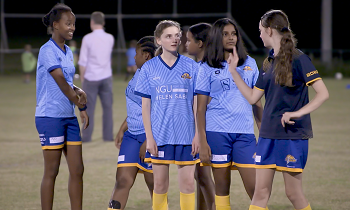
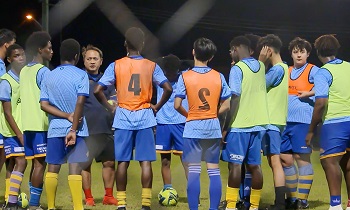
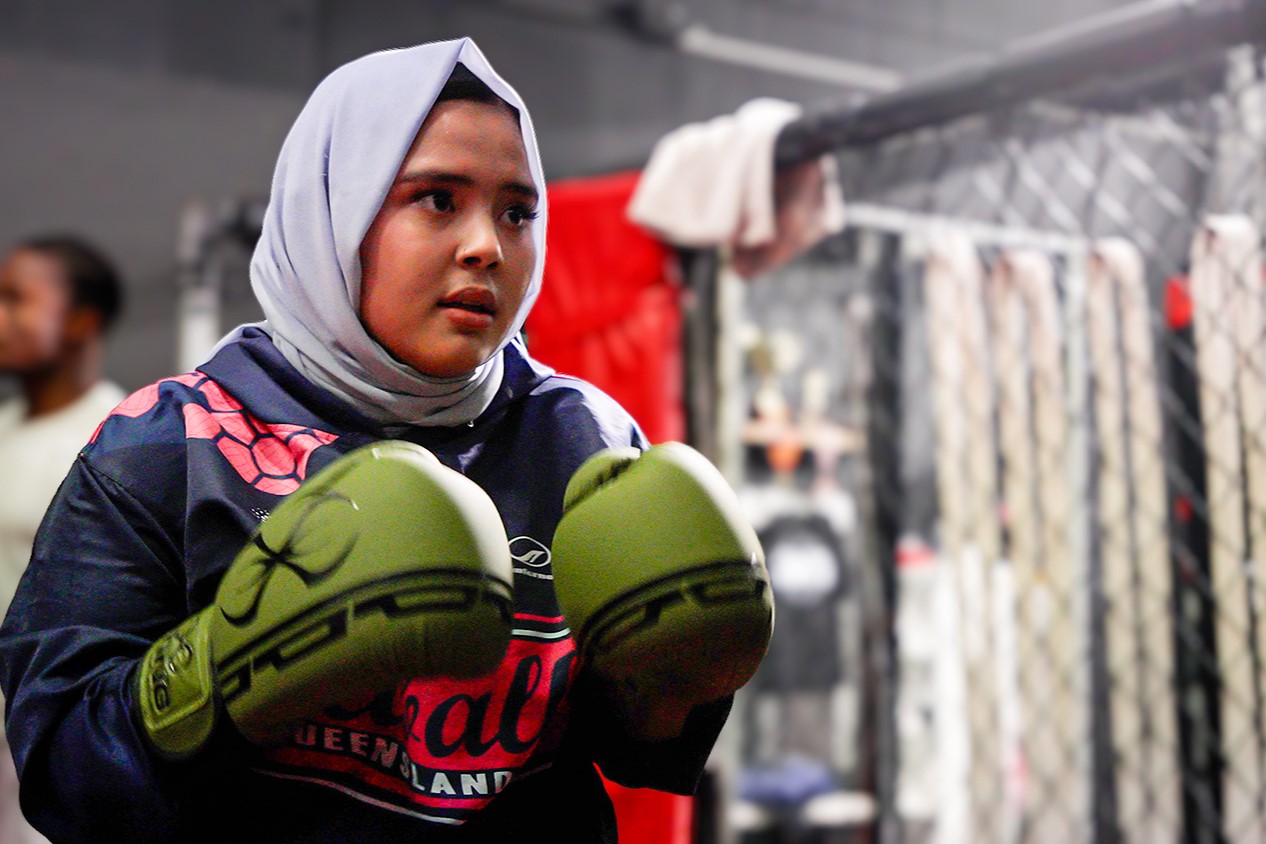
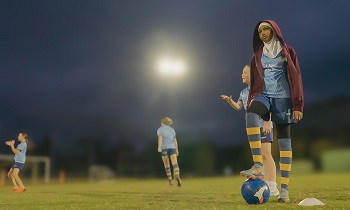
Strategies
- Get to know your local communities. Consult local community leaders or supporting existing participants to act as ‘diversity champions’ and develop targeted and appropriate practices.
- Engage with local CALD community groups for support and direction and co-design policies and processes that focus on creating safe and welcoming spaces and experiences.
- Ask parents and family members to contribute as coaches and volunteers which will help influence participation, build trust, meet expectations and create culturally appropriate environments.
- Ensure you have tried and tested policies and processes to prevent and respond to racism and discrimination. Promote these through coaches, committee and volunteer to the whole club at the start of the season, mid-season and then again when new people join the club.
- Ensure policies outline consequences for discrimination, ensuring that casual racist slurs or insults (for example in-jokes) are included as forms of discrimination and will have the same consequences.
- Have a formal complaints process in place.
- Ensure you have a committee member or a club nominated officer with professional or lived experience in place for confidential discussions.
- Regardless of whether racism or discrimination has occurred in your club ensure you regularly facilitate conversations that allow for reflection and learning about dealing with incidents if and when they occur.
- Make a calendar of significant cultural and religious events or periods and consider these dates when planning key club activities and events.
- Ensure club events either don’t clash with significant cultural or religious dates or where possible are incorporated and celebrated at the club event in a meaningful way.
- Play an influencing role with your association to consider significant cultural and religious dates when planning league wide events such as presentation nights and season launches. Consider holding themed events that celebrate the cultural diversity of your club and community.
- Ensure all club events consider the cultural needs of those attending eg catering options and dress code.
- Consider hosting alcohol free events throughout the year.
- Participate in cultural awareness workshops to learn about the needs of CALD communities.
- Be flexible with uniform requirements to accommodate the cultural and religious needs of certain communities
- Have visible and inclusive signage such as anti-racism posters and club information in multiple languages.
- In consultation with community members, provide a safe designated space where people can pray.
- Consider creative ways to assist any family at your club that has transport or financial challenges that are preventing participation.
- Provide flexible opportunities to involve CALD communities such as ‘come and try’ or ‘family’ days. This helps them to better understand club structures and become more familiar with sports clubs and roles (e.g. volunteering).
- Remember the sporting system in Australia is very different to a lot of other parts of the world. Take the time to explain your structures and services, particularly to anyone new to Australia.
- Ensure your social events, newsletters, and social media posts are culturally sensitive and appropriate. Use language that is easy to understand and visuals that represent the cultural diversity of the community.
Tip: Diversity within your leadership structures, including coaching, management and committee roles, will be a big step in your commitment to diversity and inclusion. Support existing participants to transition into leadership or role model positions and support them to mentor others.
Resources
- Sunshine Heights Cricket Club, opens in a new tab
- St Marys Netball Club, opens in a new tab
- Collingwood Basketball Club, opens in a new tab
- Keon Park Tennis Club, opens in a new tab
- Geelong Baycats Baseball Charter, opens in a new tab
- The All Stars – Centre for Multicultural Youth, opens in a new tab
- Inclusion in Action – Mosaic Metros Futsal Club – YouTube, opens in a new tab
- Engaging-volunteers-from-multicultural-communities.pdf
- CALD_Summary_Final.pdf
- Managing Volunteers from a CALD Background – Volunteering Resource Hub , opens in a new tab
- Building cultural inclusion in active recreation and sport – Sport New Zealand – Ihi Aotearoa , opens in a new tab
- Inclusive Organisations Good Practice Guide – Centre for Multicultural Youth , opens in a new tab
- Leadership – Multicultural NSW, opens in a new tab
- Culturally Competent Youth Work – Centre for Multicultural Youth, opens in a new tab
- Managing Volunteers from a CALD Background – Volunteering Resource Hub , opens in a new tab
- Inclusion of people from different cultural backgrounds into sport – Play by the Rules, opens in a new tab
- The religious playing field – Play by the Rules , opens in a new tab
- Creating Inclusive Multi-Faith Workplaces Infographic , opens in a new tab
- Working with interpreters – Centre for Multicultural Youth, opens in a new tab
- Culturally and linguistically diverse – eSafety Commissioner, opens in a new tab
- Cultural and Religious dates – 2022, opens in a new tab
- Muslim Women in Sport – Women In Sport, opens in a new tab
- Multicultural Female Uniform Guidelines, opens in a new tab
- Pathways to culturally diverse volunteering towards COVID-19 recovery - Volunteering Victoria, opens in a new tab
- It's not all about gender or ethnicity: a blind spot in diversity programs is holding equality back - The Conversation, opens in a new tab
- How you communicate affects if you’re viewed as inclusive - Sport Information Resource Centre Blog, opens in a new tab
- Enabling Muslim Girls to play sport - Change Our Game, opens in a new tab